Cho Oyu
A Test Climb For Everest
2018 was the year that I climbed Cho Oyu. After getting the green light from my family to attempt Everest, I decided that I needed to see if I had what it takes to climb an 8000 m peak. I researched and found that Cho Oyu was the best option. I climbed with IMG, International Mountain Guides.
Cho Oyu 2018
I'm Just a Dentist
I’m Just a Dentist
In 2016, I returned from climbing Vinson Massif in Antarctica—my sixth of the Seven Summits. My wife, my son, and my daughter had agreed to let me chase these mountains, but they were firm on one point: I would never climb Everest.
When Susan met me at the airport, we celebrated our reunion with hugs, kisses, and that overwhelming relief that comes from returning safely from a place as remote as Antarctica. I loaded my two duffels and backpack into the car, and as we drove away, I couldn’t stop talking about how much fun the climb had been - how bizarre Antarctica felt, how surreal the entire experience was.
At some point, Susan cut in and asked, “So… when are you going to climb Everest?”
“What do you mean?” I said. “I thought I was done. Everest was never on the list. Only real climbers do Everest.”
She looked at me with that expression that tells you she’s thought this through. “We agreed to all of this over twelve years ago. And now, you’re often the most experienced climber on these expeditions - aside from the guides.”
She wasn’t wrong. Over the last few climbs, I really had become one of the more seasoned people on the team. Still, her comment left me shocked.
“Are you serious?” I asked. “Am I really going to climb Everest?”
“Well,” she said, “you can’t stop at six summits.”
Over the next few weeks, I couldn’t get her words out of my head. Eventually, one night at dinner, I told my family that if I ever attempted Everest, I wanted to first climb a nearby 8,000-meter peak as preparation. After some research, I settled on Cho Oyu - widely considered the best training ground for Everest.
So, I began planning. Then training. For eighteen months.
Kathmandu
On August 26, 2018, I left for Kathmandu. The moment I stepped out of the airport, I knew I was in a different world. Sherpa staff from IMG greeted me and brought me to Hotel Tibet, right on the edge of Thamel. The place felt magical simply because of what it represented: the gateway city to the Himalaya, the place I’d only ever read about in climbing books.
Jet-lagged and exhausted, I ordered something with curry for dinner, collapsed into bed, and sometime near midnight my roommate—a soft-spoken Australian—slipped in quietly, doing his best not to wake me.
The next morning over breakfast I learned he worked in water management in central Australia. This was his first time in the Himalaya. Meanwhile, I was there to test myself for Everest. Two very different motivations, but we bonded quickly.
Later that morning the entire team met on the roof of Hotel Tibet. Some had climbed Denali, Elbrus, Aconcagua, Kilimanjaro. Others were newer to high altitude. But we were all eager—nervous, excited, curious—to climb Cho Oyu.
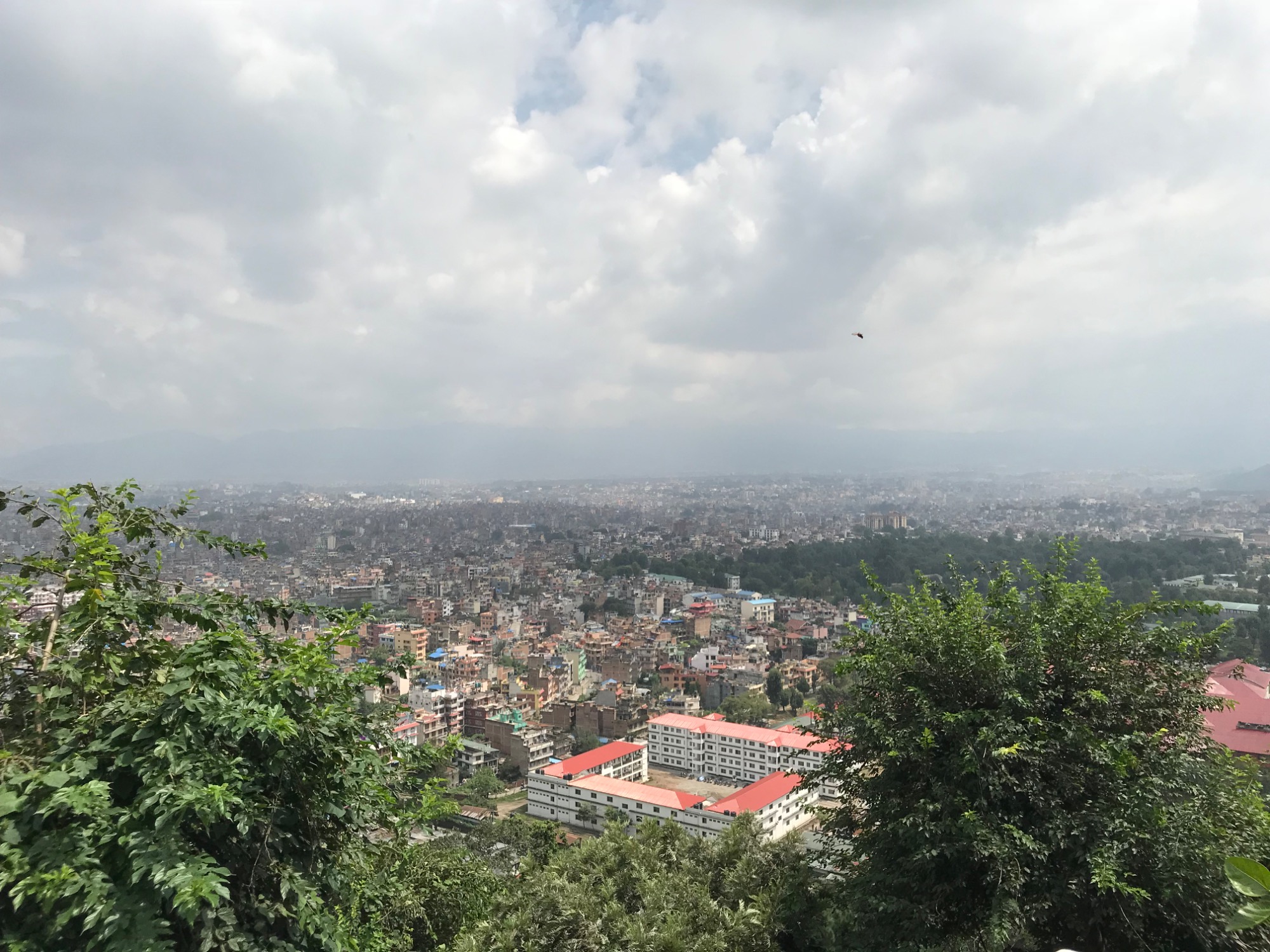
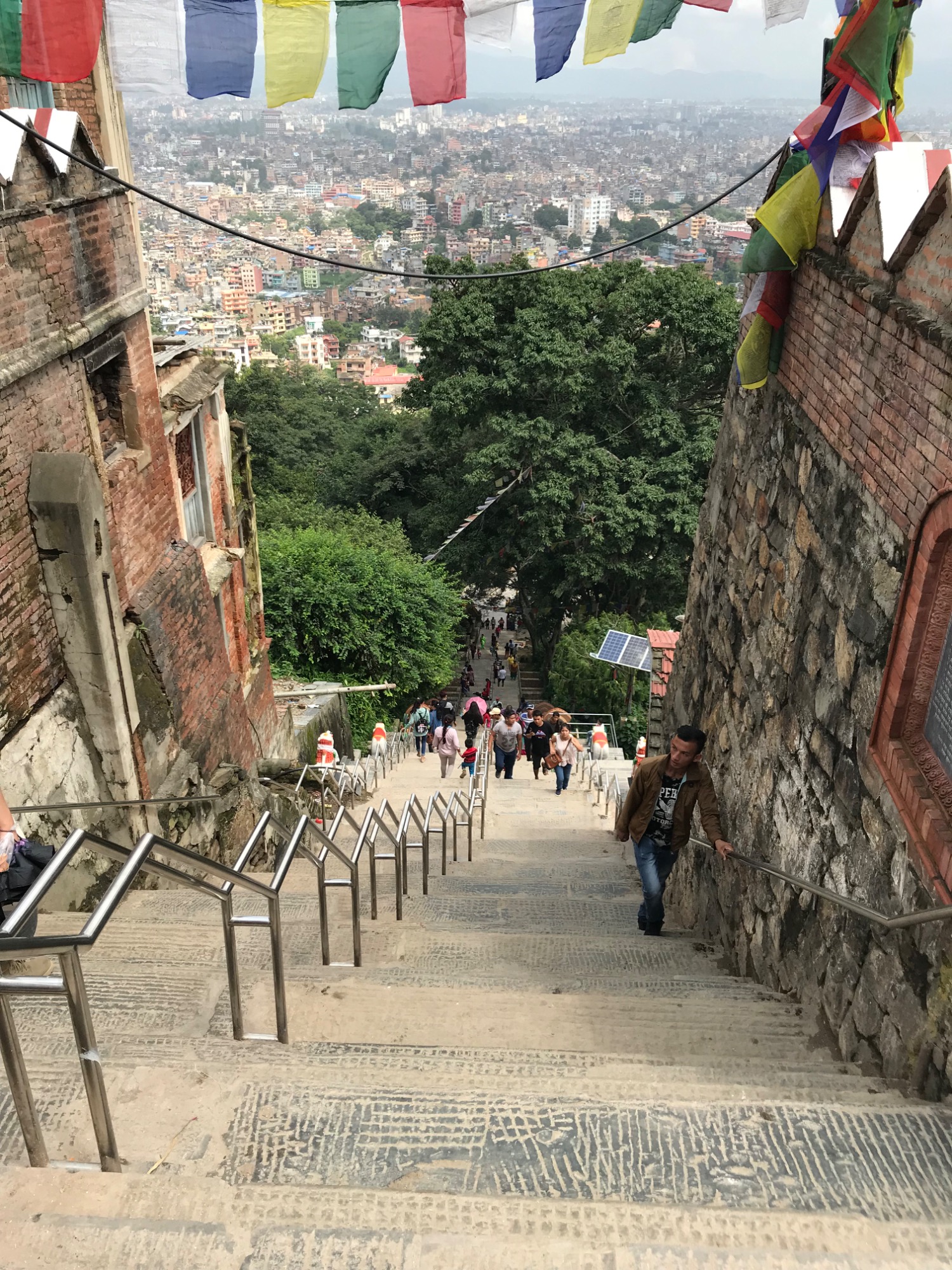
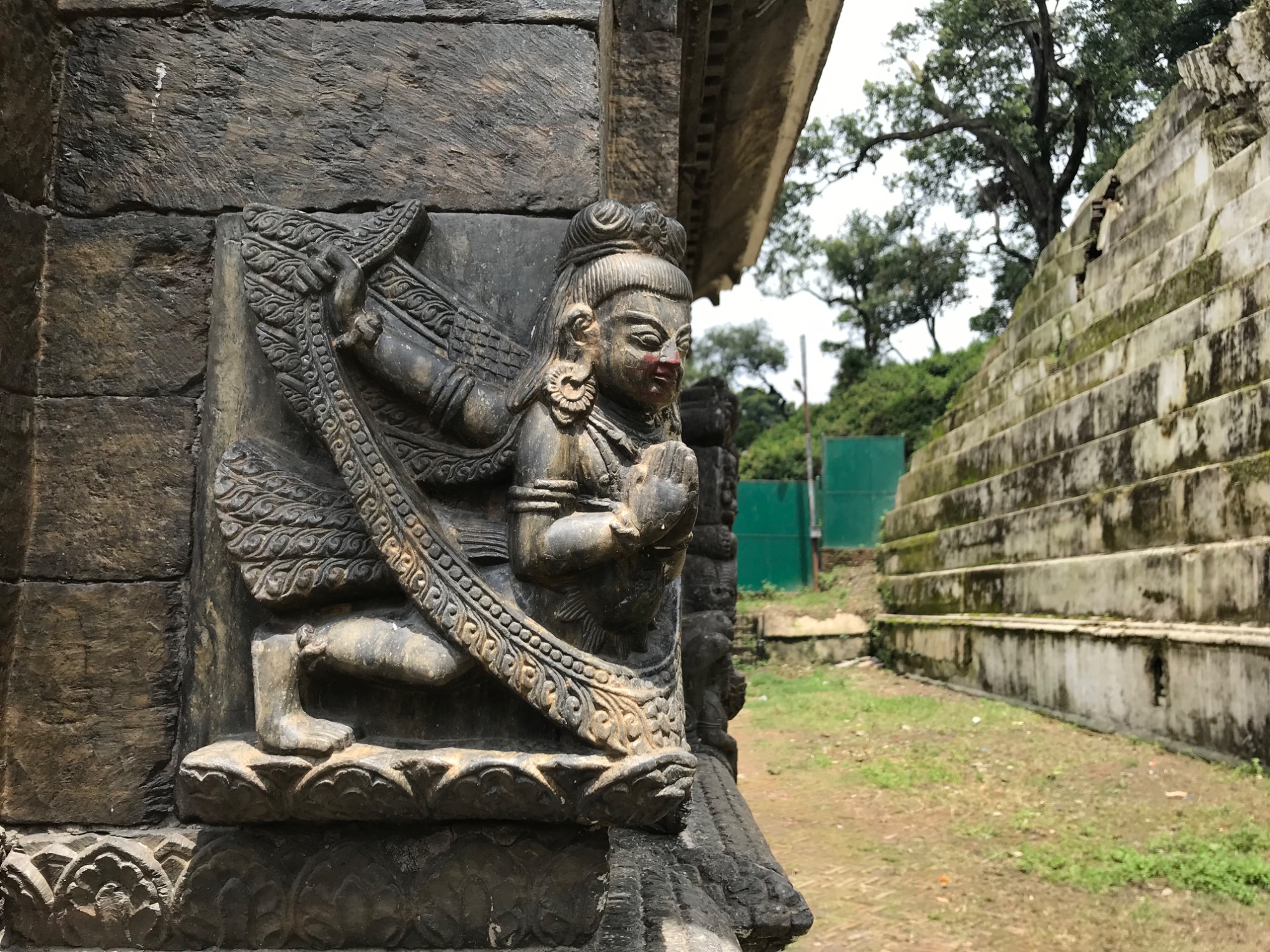
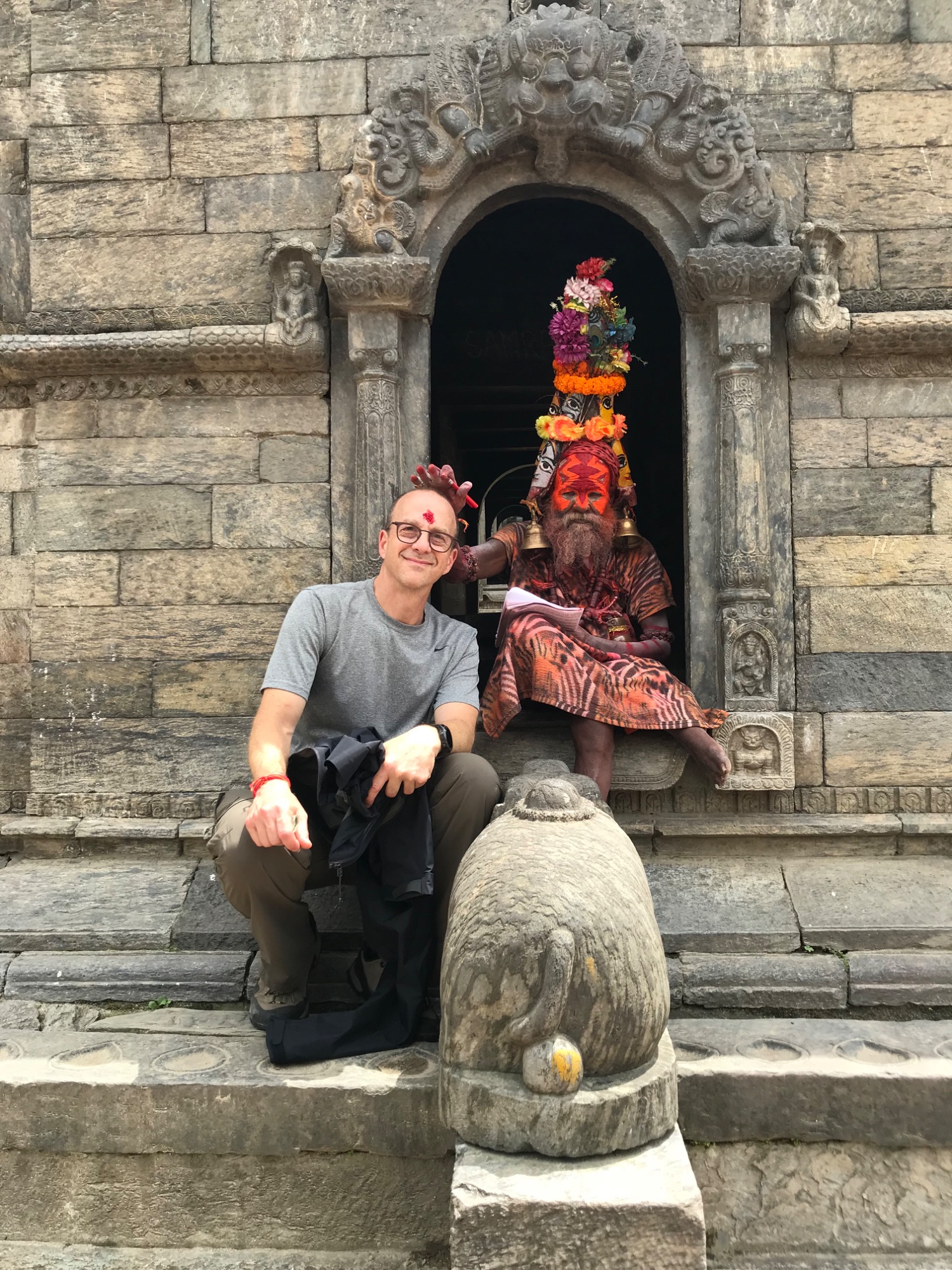
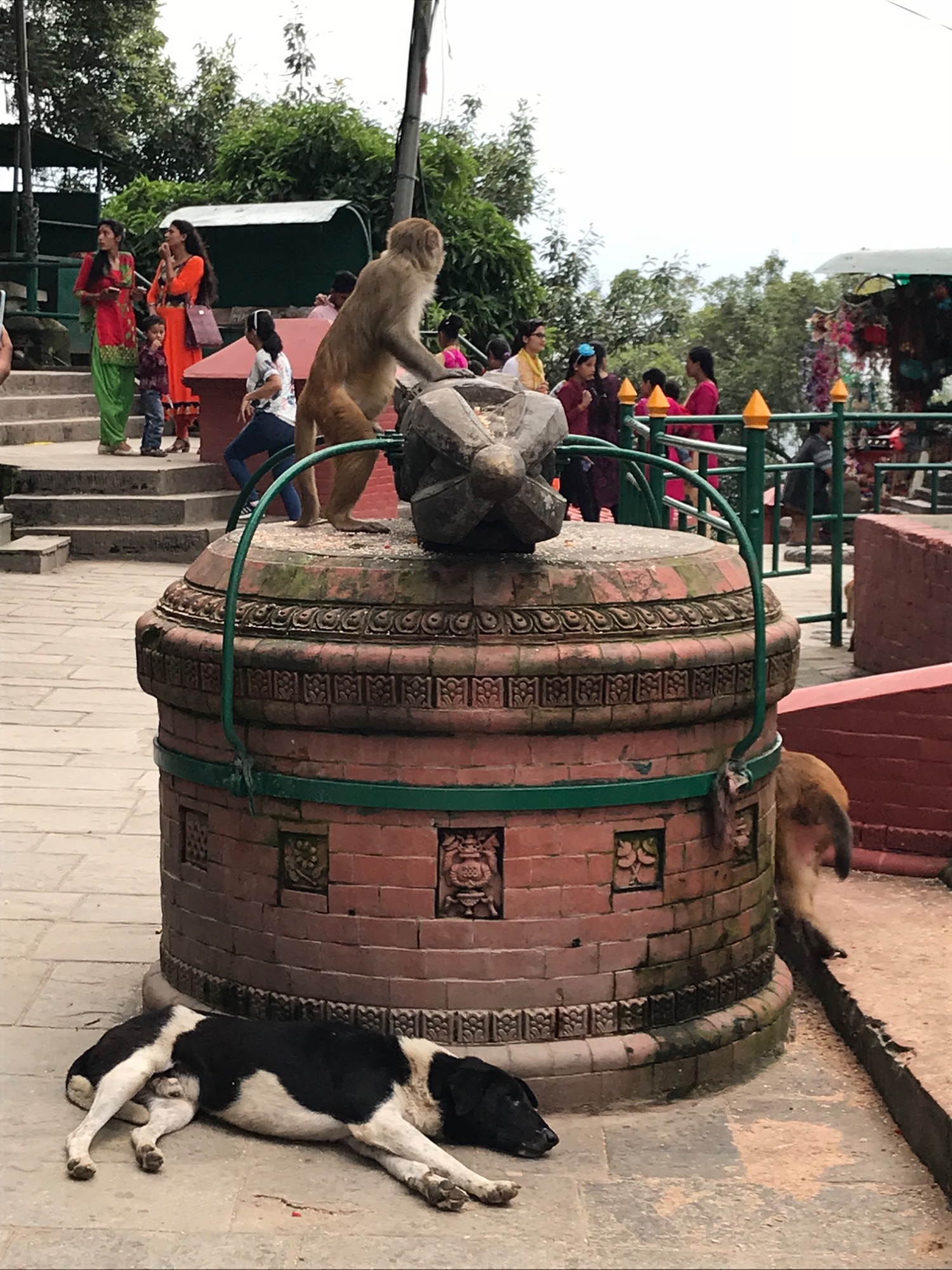
For a few days we explored Kathmandu: The Monkey Temple, the cremation grounds, the giant stupa in the center of town. We checked gear with the guides, repacked our duffels, and prepared to leave before dawn.
The Journey to Tibet
We woke at 4 a.m., ate a cold hotel breakfast, and piled into the van in darkness. As we wound through the outskirts of Kathmandu, the streets were strangely alive—people everywhere, despite the hour.
About an hour into the drive, drifting in and out of sleep, I suddenly felt the van jolt. Hard. We had definitely hit something- an object? An animal? A person? I still don’t know. The guides spoke quietly up front, then everything went silent.
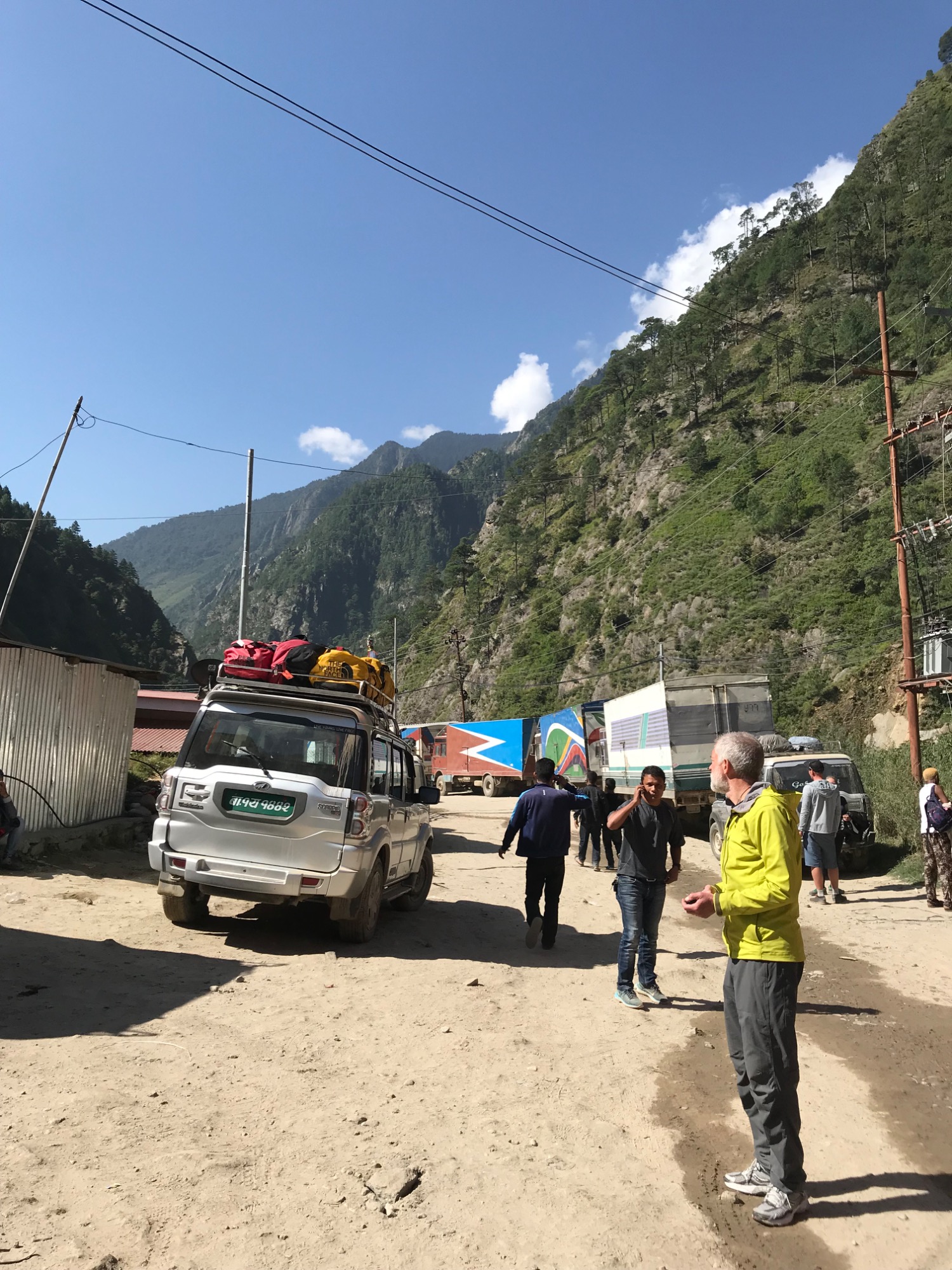
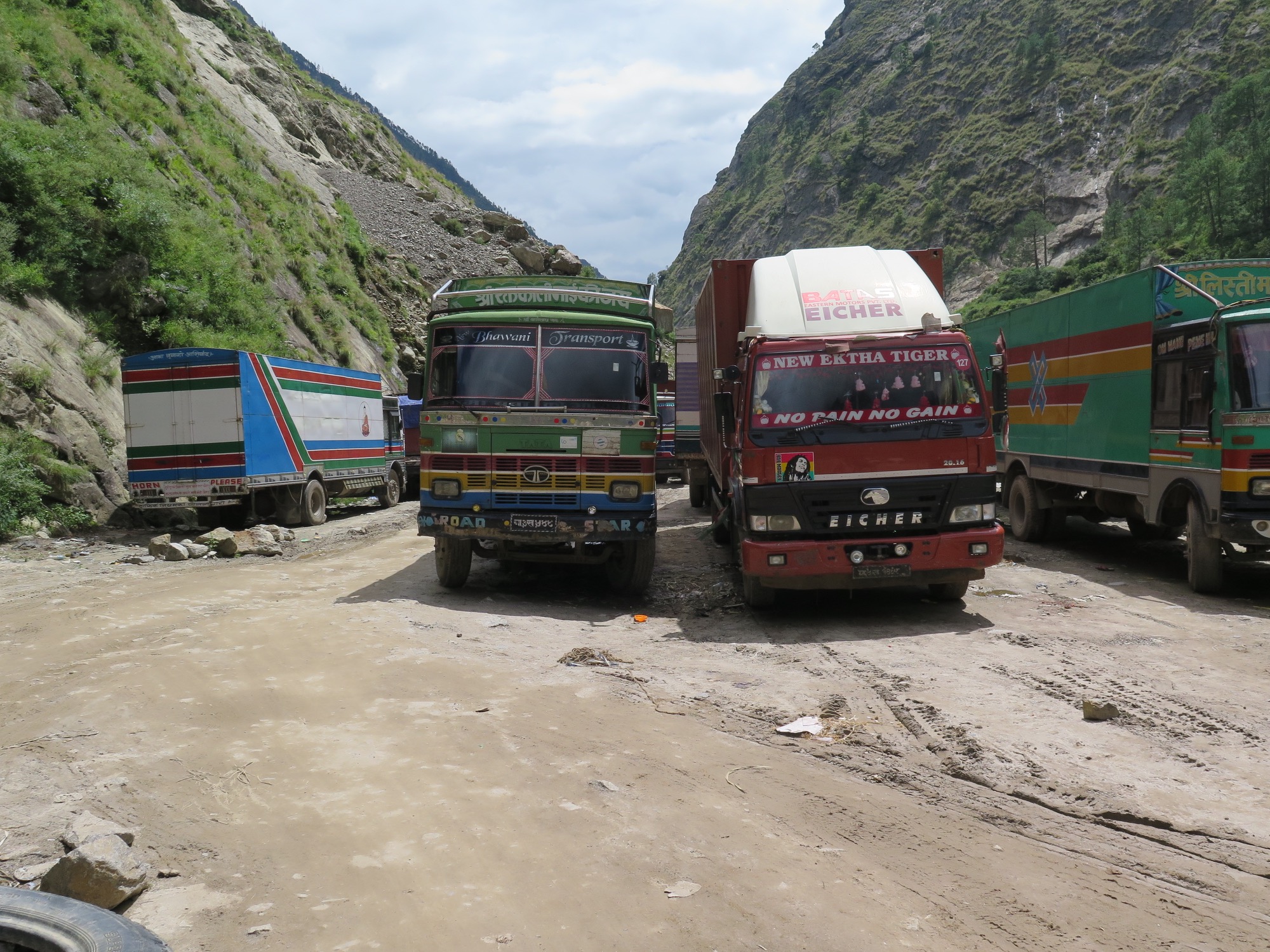
As daylight broke the mountain roads turned into muddy, potholed tracks. Several times we stopped to inspect landslides and washouts. One slide was too large to cross, so we did what people in this region do: we transferred all our gear, piece by piece, to another van waiting on the other side. Dozens of drivers, porters, and climbers were doing the exact same thing.
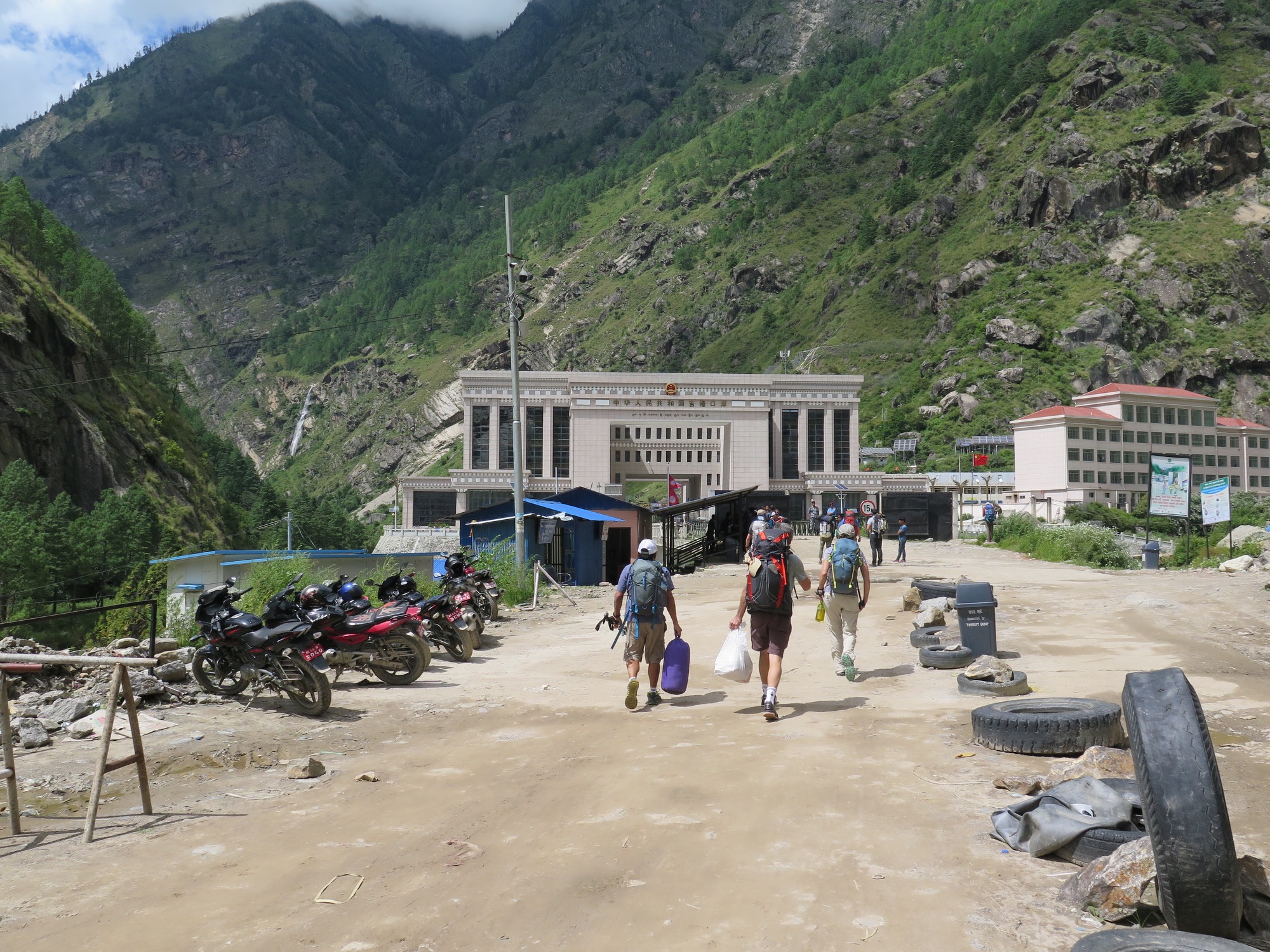
By noon we reached the Tibetan (Chinese) border - a modern stone-and-glass complex. Processing took hours, but eventually we crossed and picked up a representative from the Chinese Mountaineering Association who would accompany us for the rest of the trip.
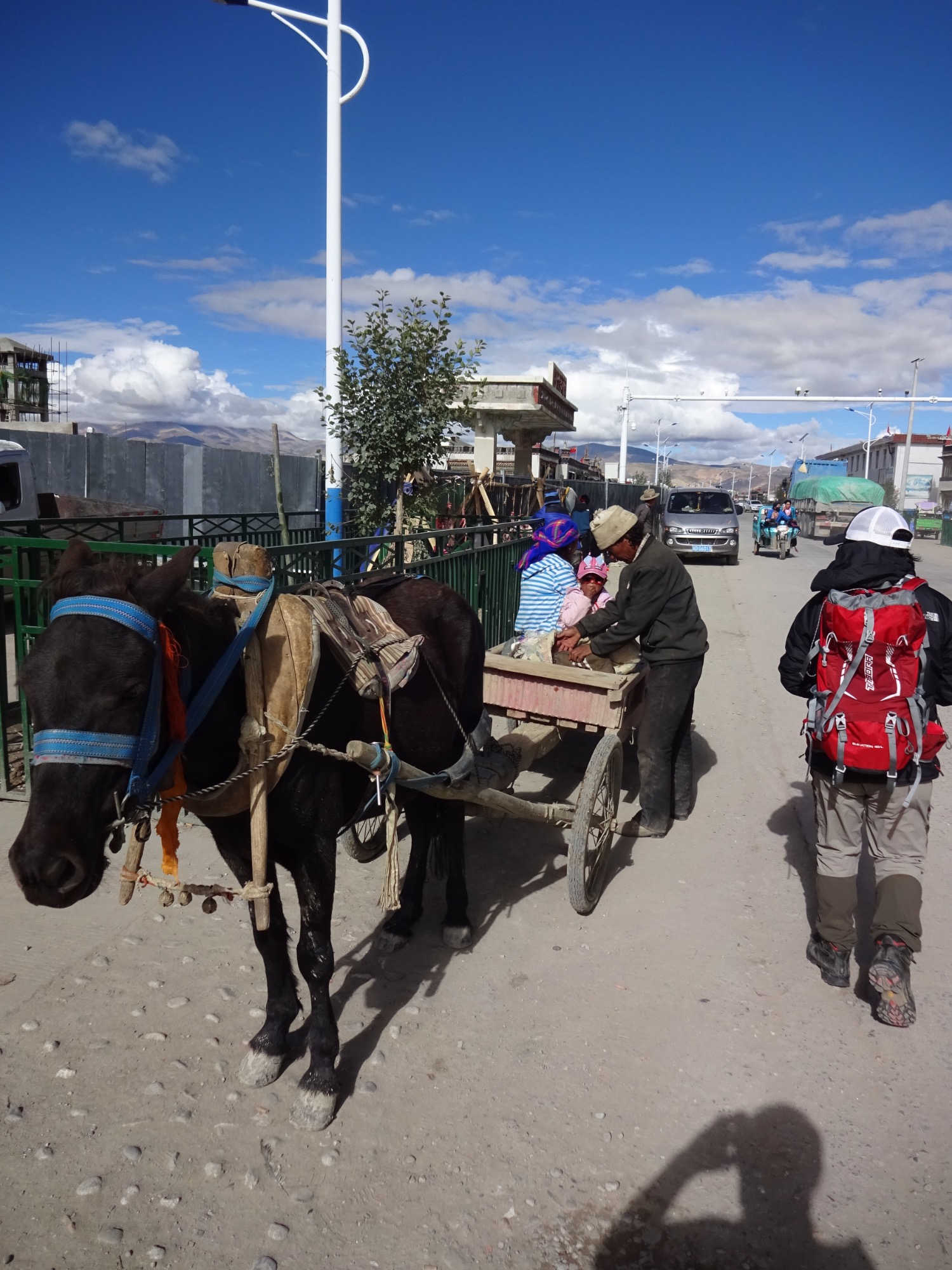
We spent the night in Zhangmu at 7,600 feet, then crossed the Tibetan Plateau to Tingri at 14,000 feet. The next day was for acclimatization: exploring shops, trying local food, and wandering dusty streets where Everest itself loomed faintly in the distance. This is where I bought my Z-stone necklace for good luck. I still wear it today.
Chinese Base Camp and Higher
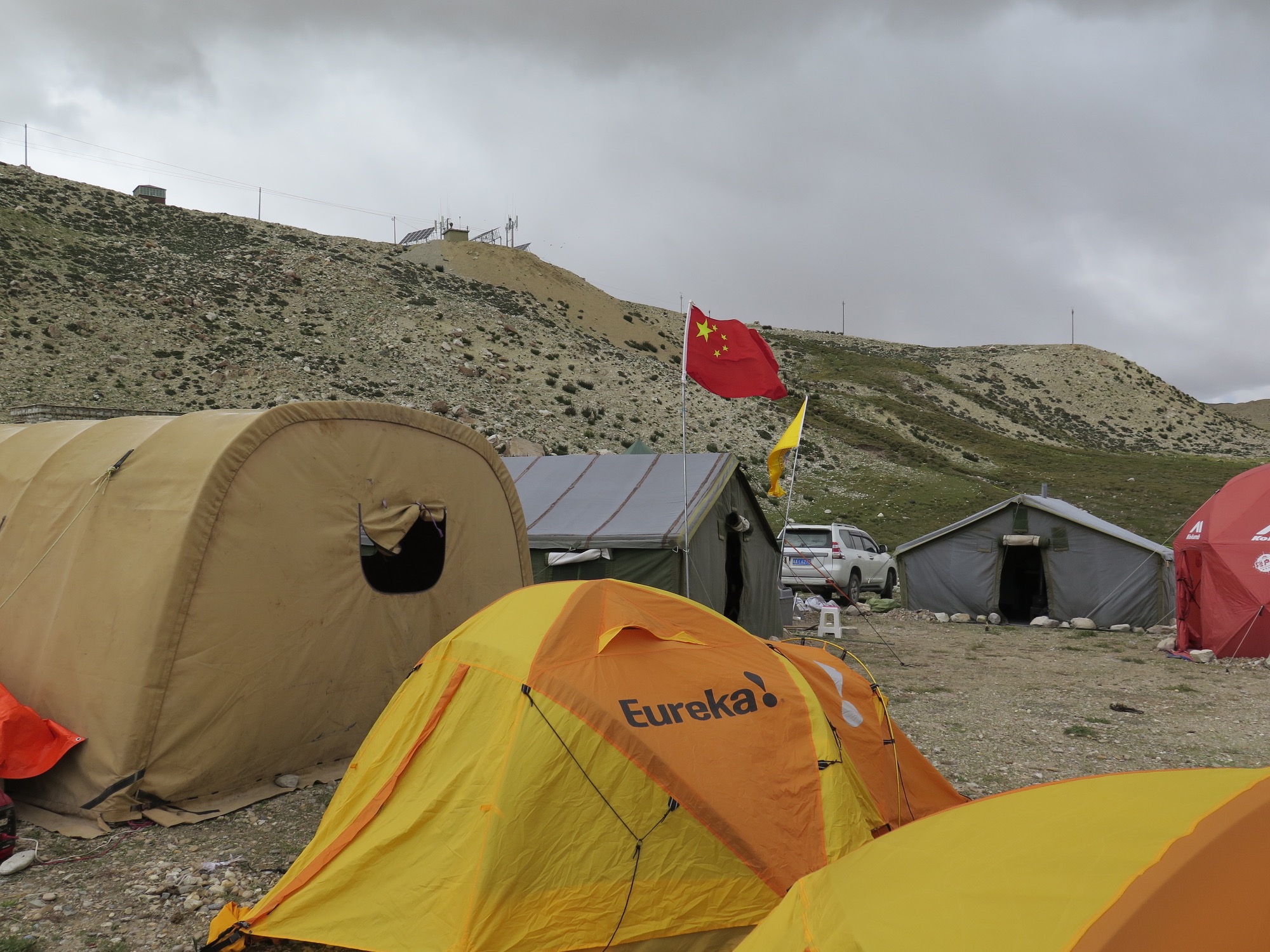
We drove on to Chinese Base Camp near a military post at 15,000 feet. This was our first night in tents. My Australian roommate struggled badly with breathing, and even I had trouble catching my breath. We both started taking Diamox.
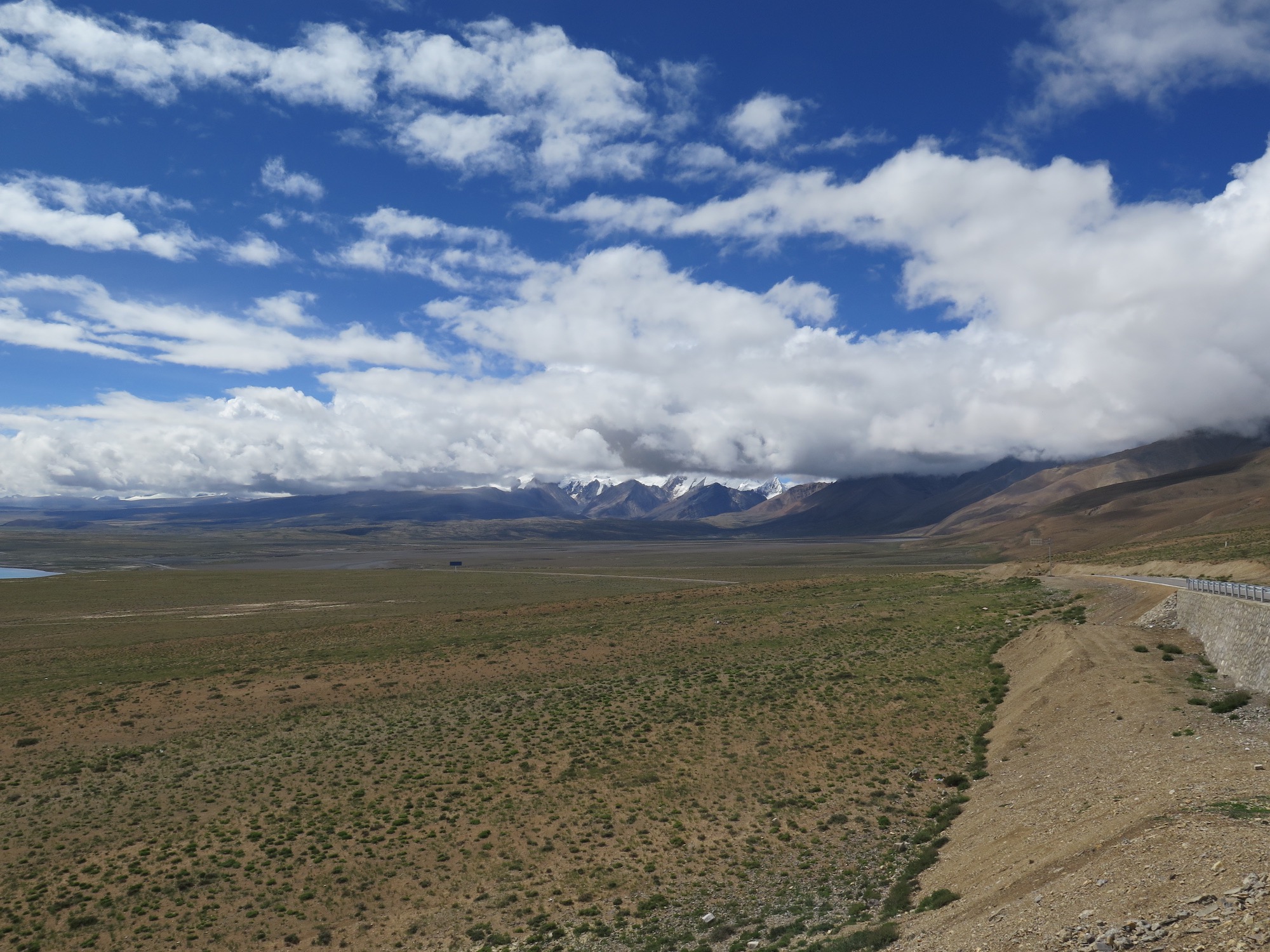
The next few days were a cycle of short hikes, long drives, barren hillsides, and the steady rise in altitude that makes you question your sanity. Eventually the road ended at a grassy plain with yak and oxen grazing. Our Sherpa staff and Tibetan porters loaded the animals, and the next morning we set out on foot toward Cho Oyu Base Camp.
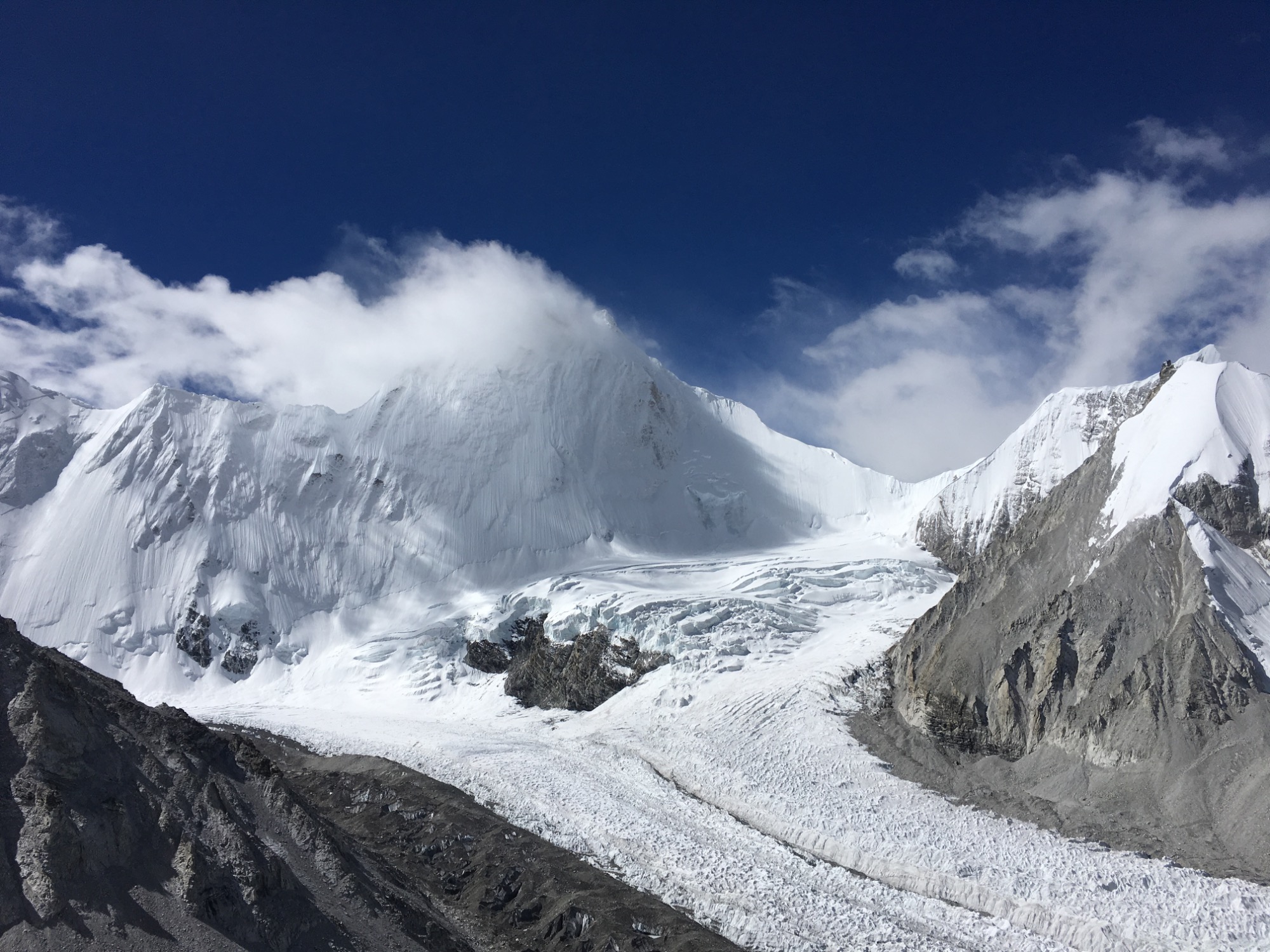
A six- to seven-hour trek brought us to the wide, flat moraine below the mountain. For the first time, I felt the presence of the peak I had come to test myself against.
A Month at 19,000 Feet
I arrived at Cho Oyu Base Camp on September 5th. I would spend the next month at 19,000 feet - acclimatizing, climbing rotations, and eventually summiting the world’s sixth-highest mountain at 26,900 feet.
My Australian roommate never adapted to the altitude. Despite Diamox, he continued to struggle and eventually asked Dallas, our lead guide, to evacuate him. Two days later he was on his way home. I was sad to see him go; we had shared a lot in a short time. Now I had the tent to myself.
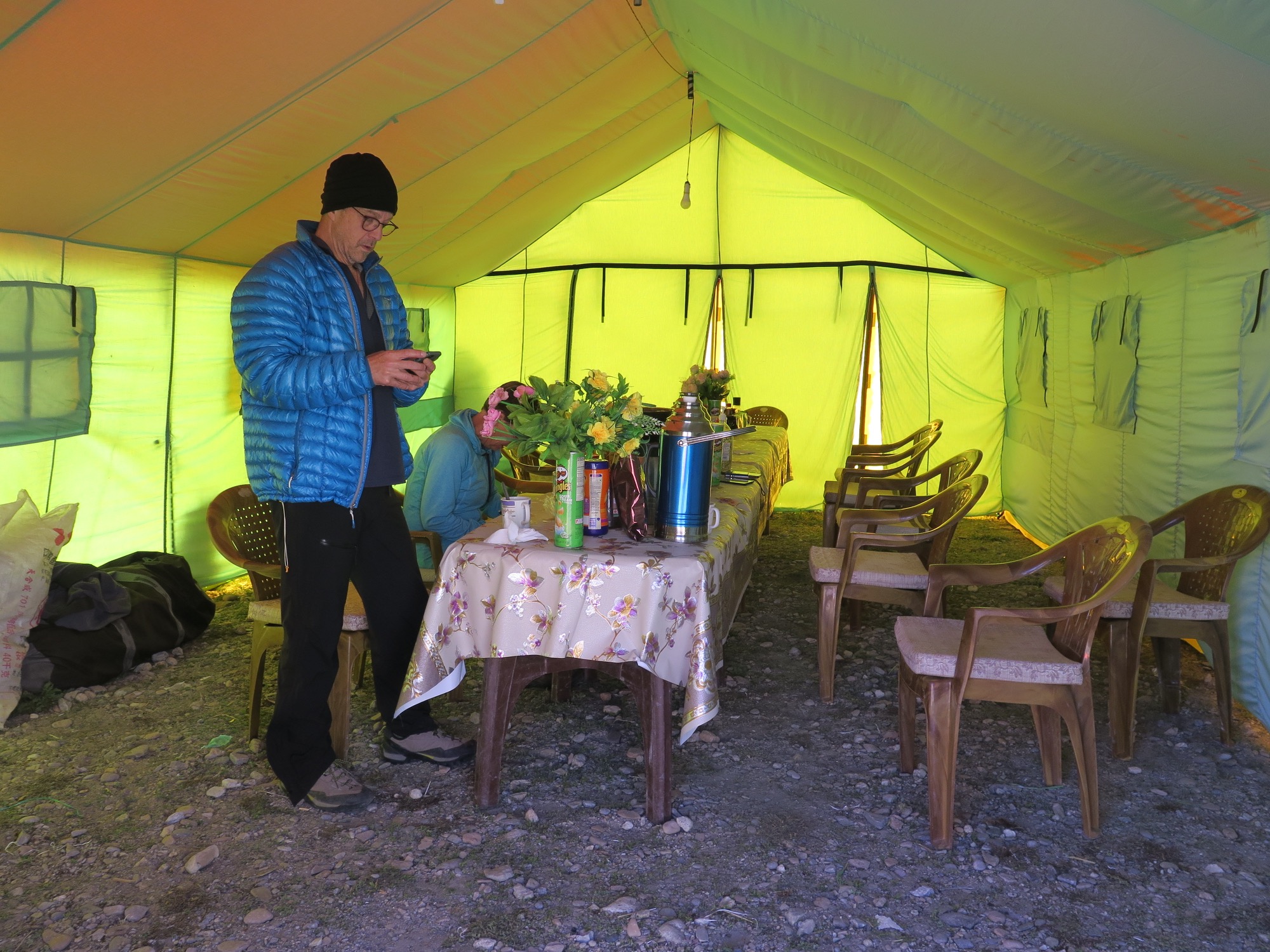
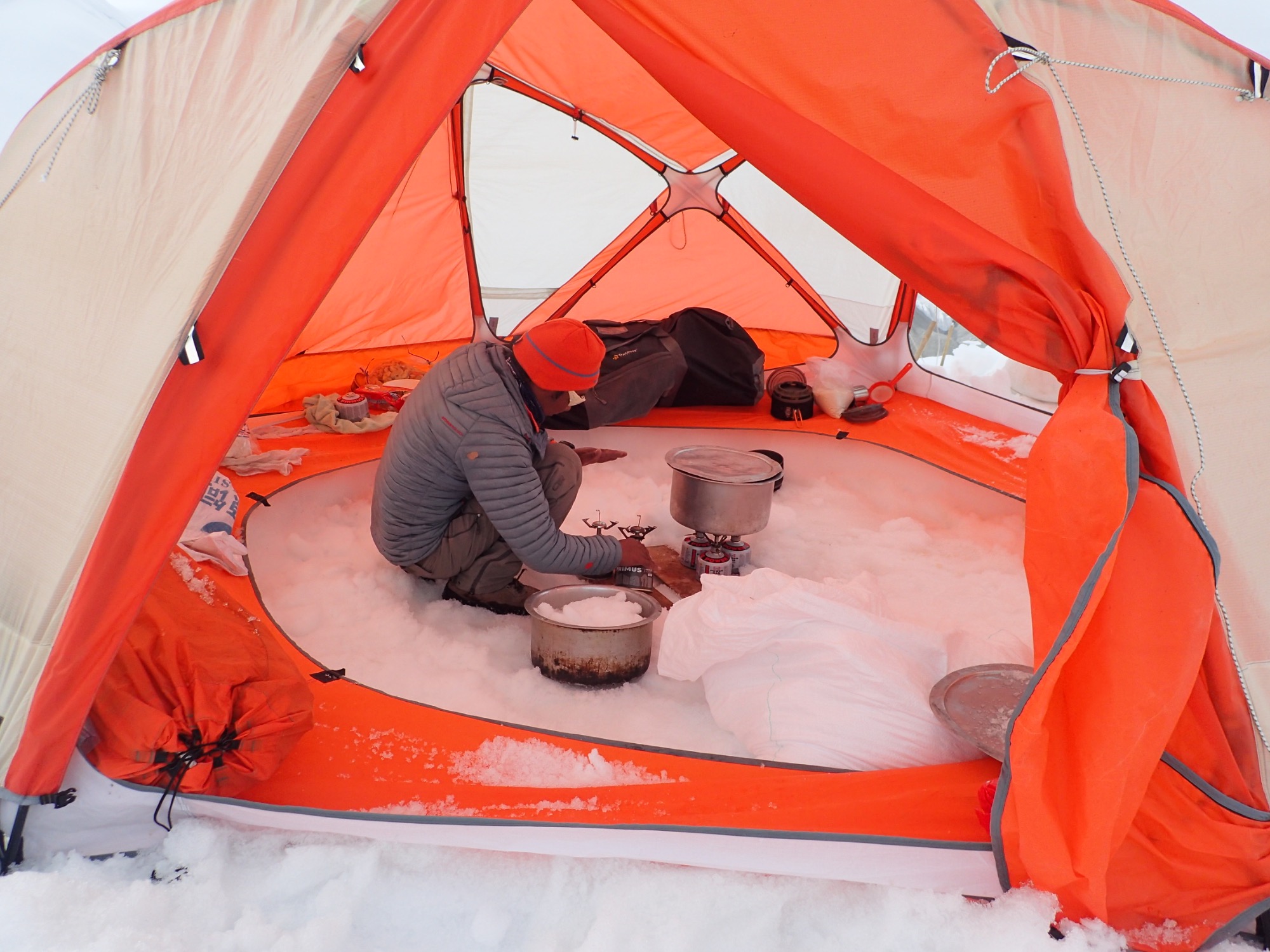
Camp life had its own rhythm. Evenings in the dining tent were filled with stories, music, and laughte until it became too cold to stay. By 8 p.m. we retreated to our sleeping bags, where we’d remain until the sun hit camp around 7:30 a.m. Twelve hours in a tent is a long time. I learned to meditate, think, read, nap, and then repeat the process around 1 a.m. Such is the life of a high-altitude climber.
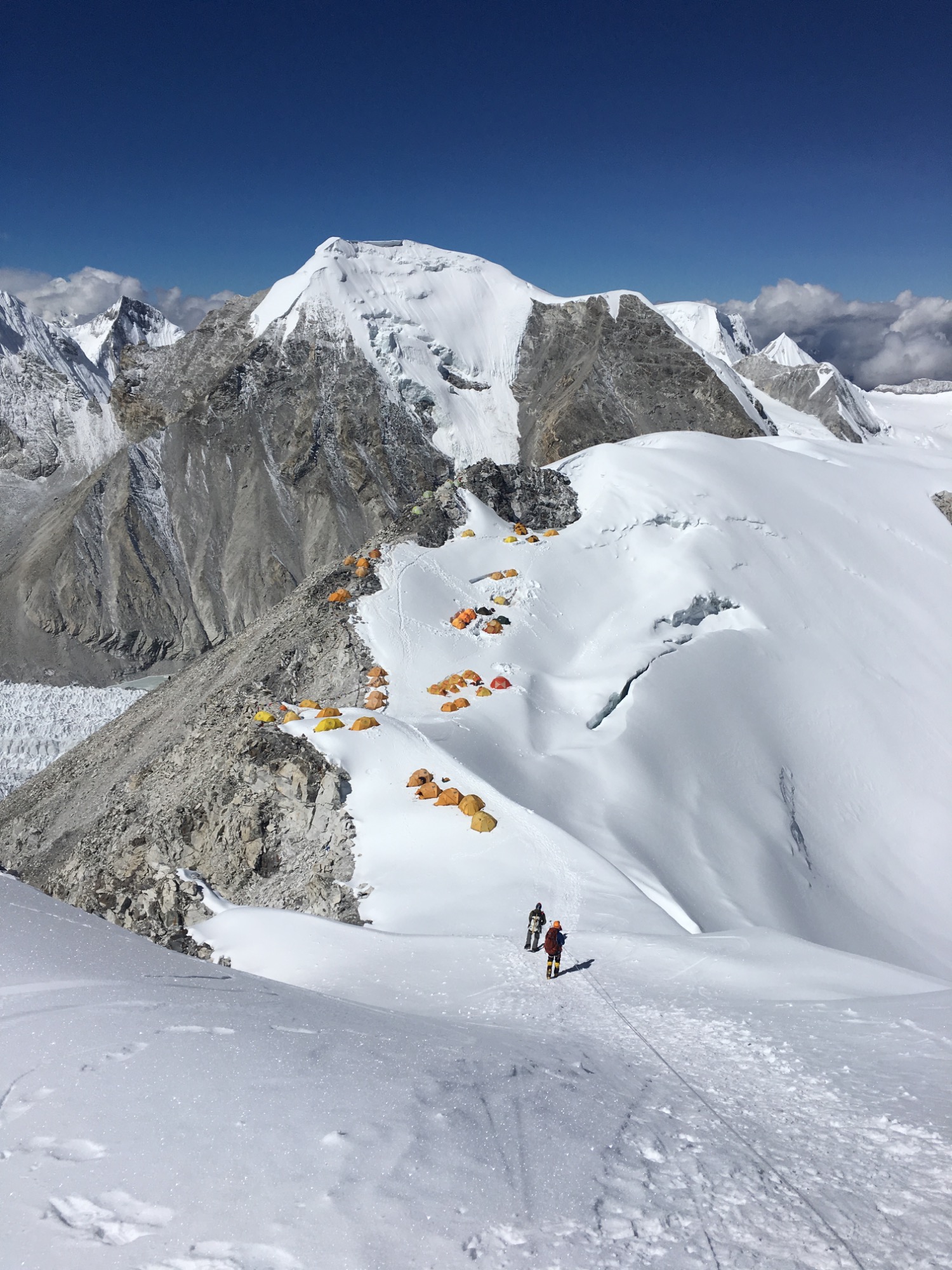
Every four days we climbed to Camp 1 or Camp 2, slept a night or two, left gear, and descended. Three rotations in all. Each time we moved faster and breathed easier.
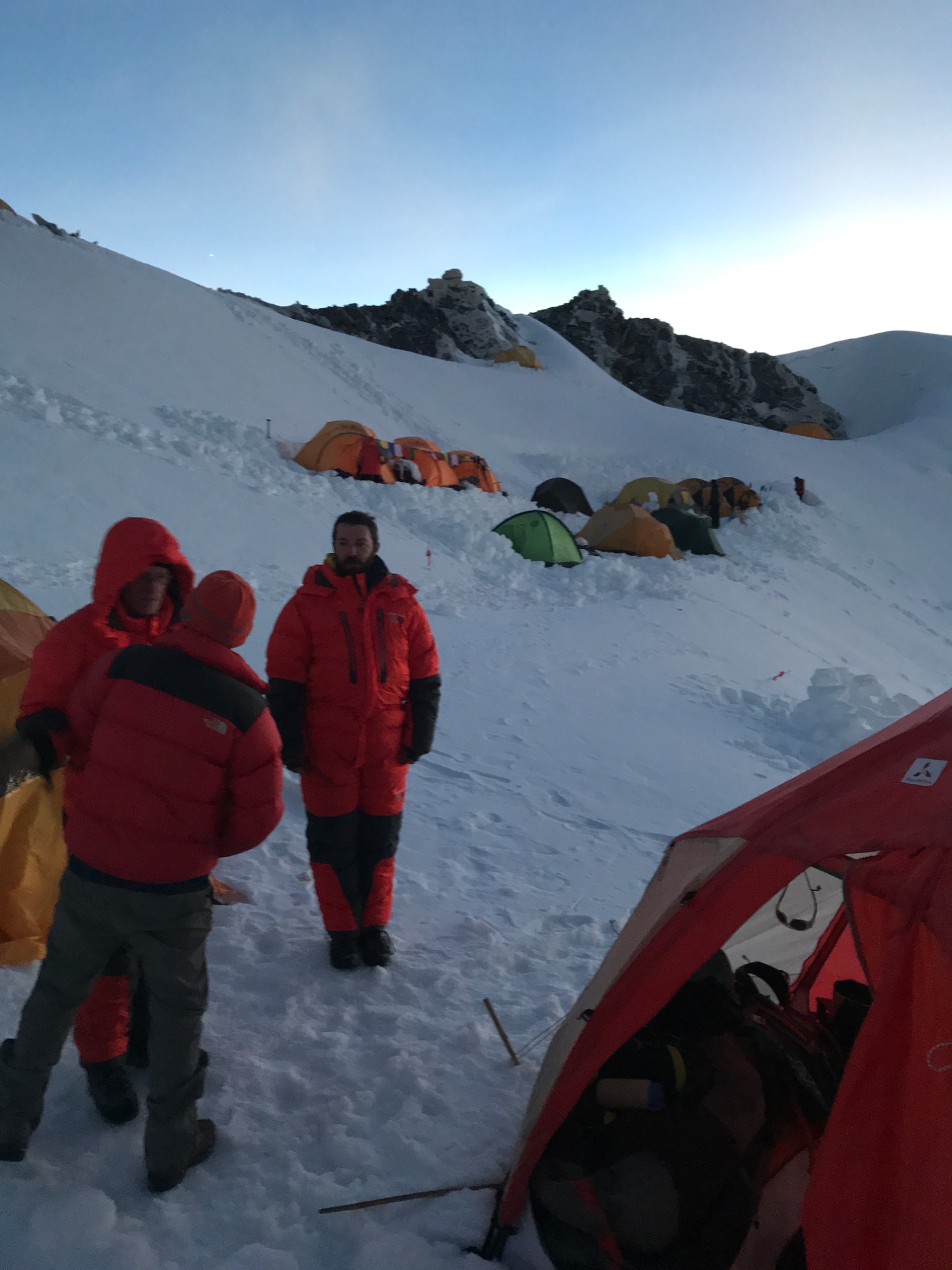
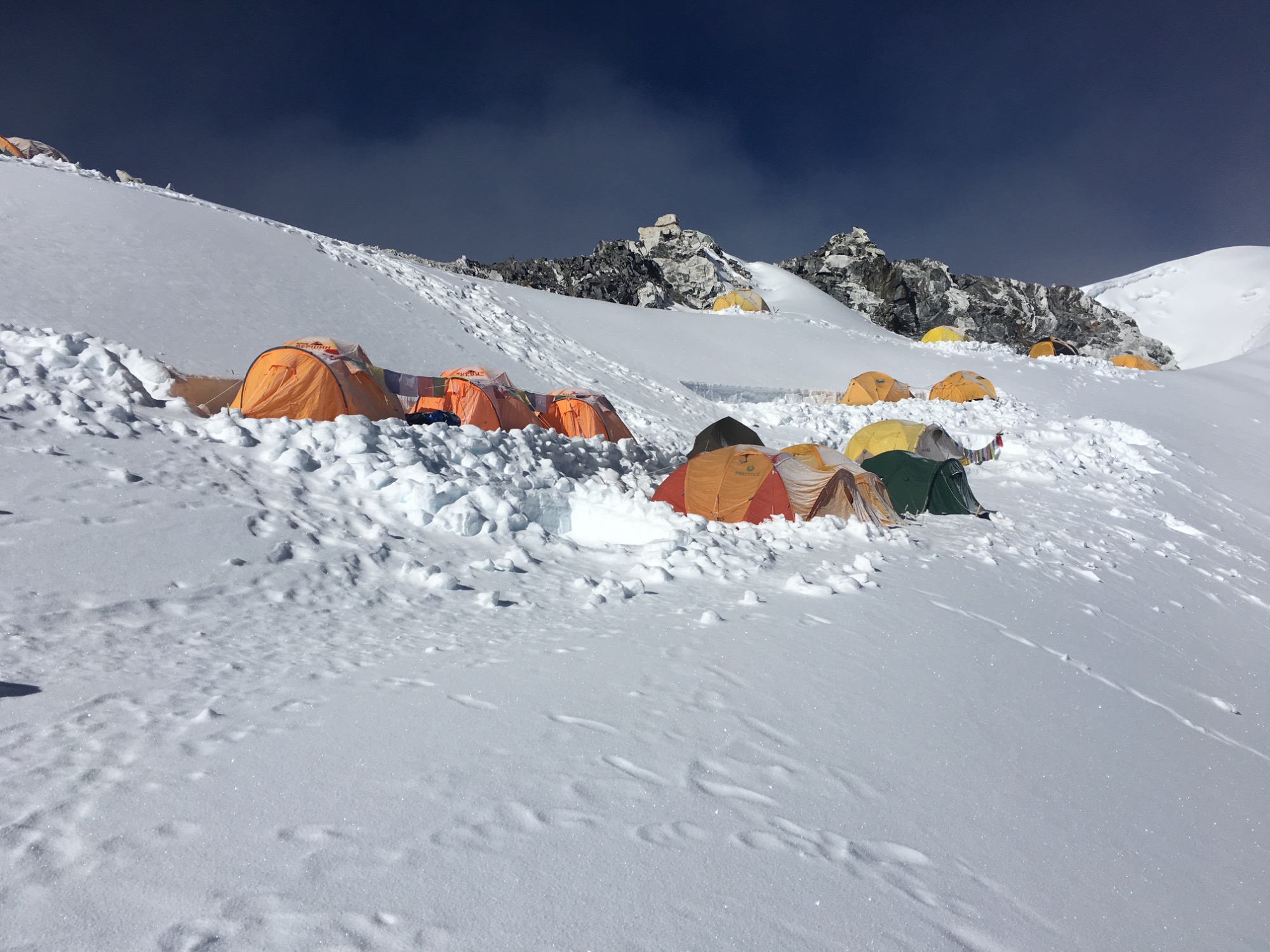
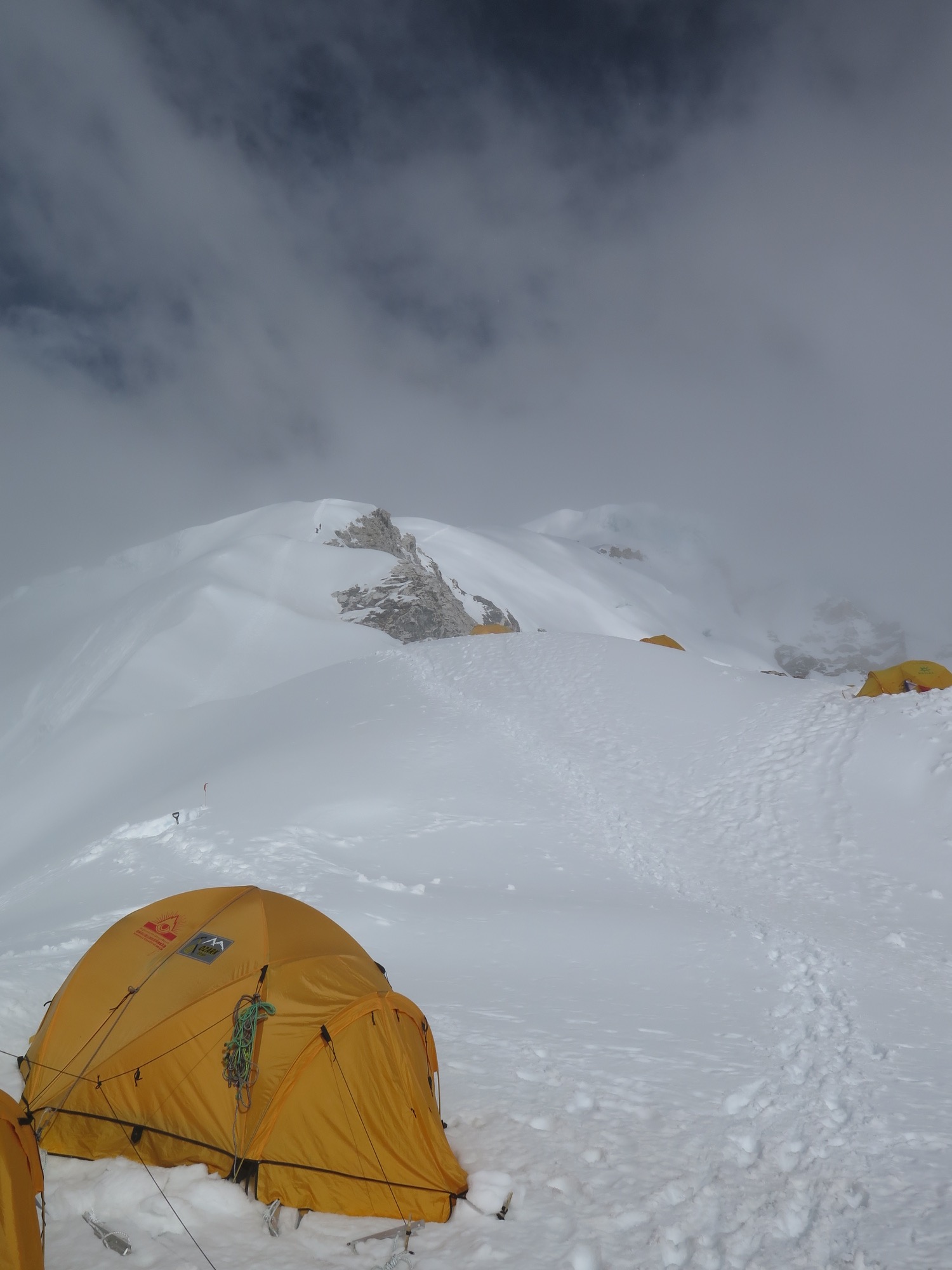
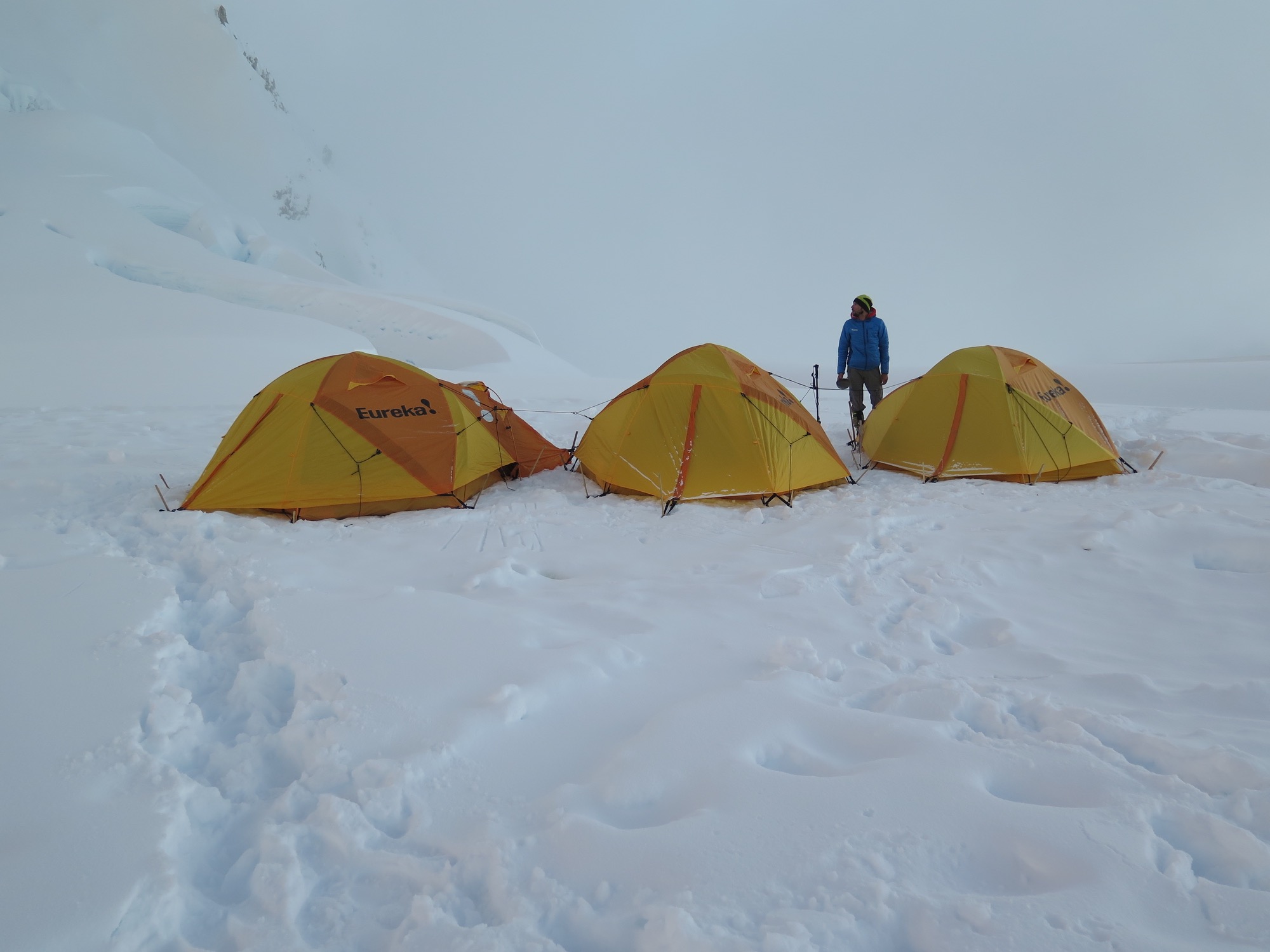
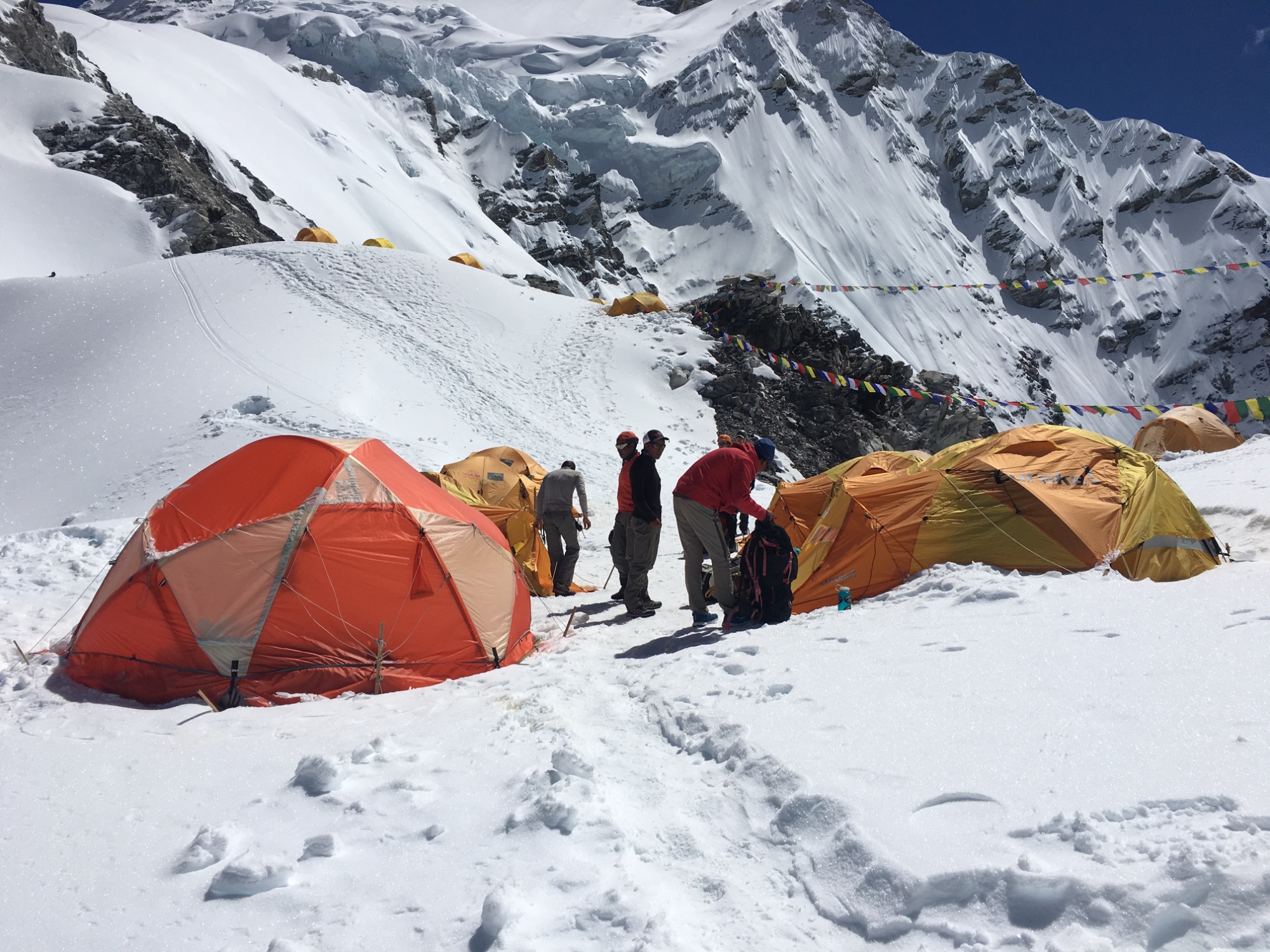
The higher camps were bleak—no luxuries, no warmth, just boiled food and conversation shouted through nylon walls. But step outside on a clear night and the sky exploded with stars and a brilliant Milky Way.
Camp 1: The Most Humbling Moment
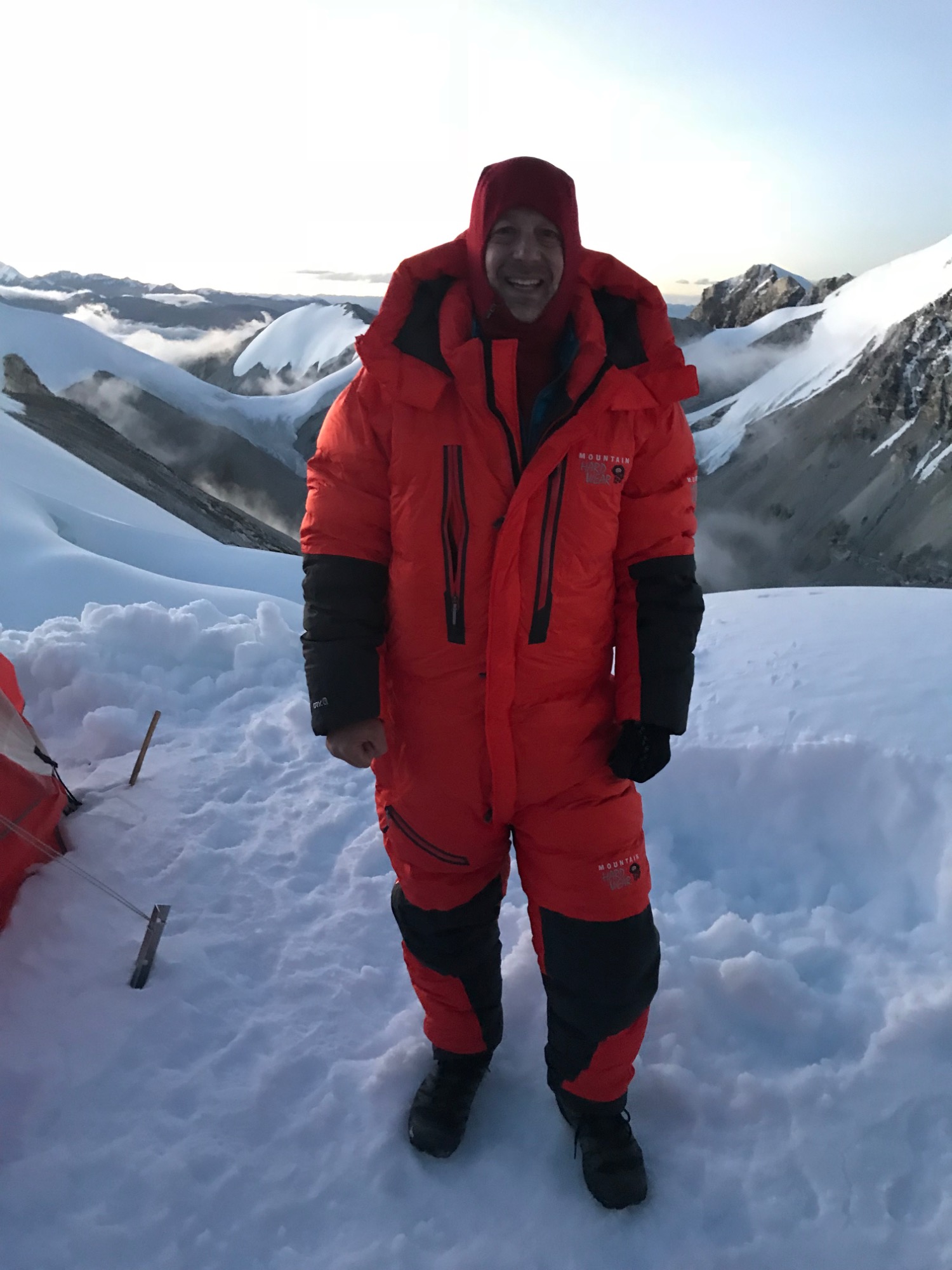
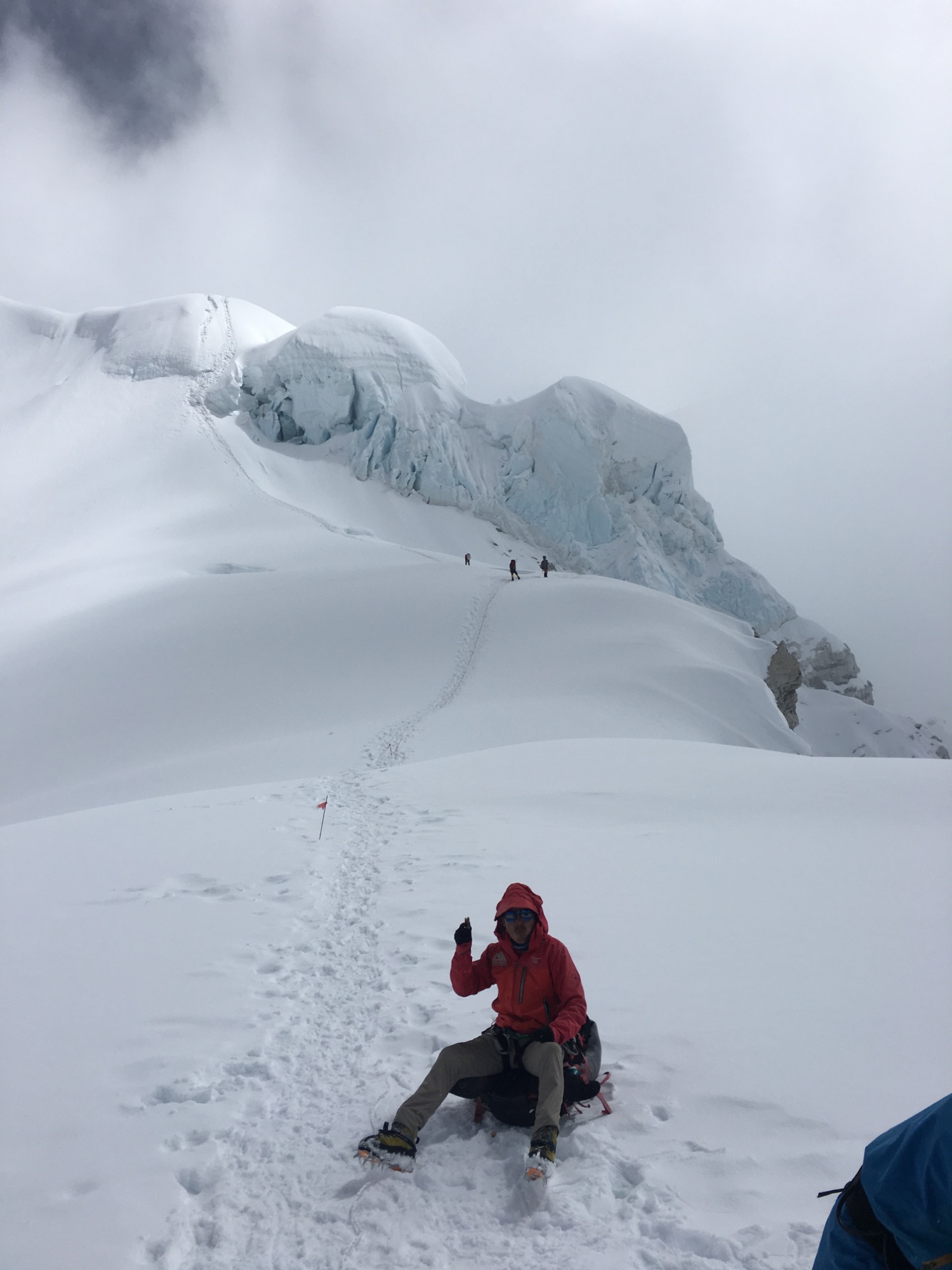
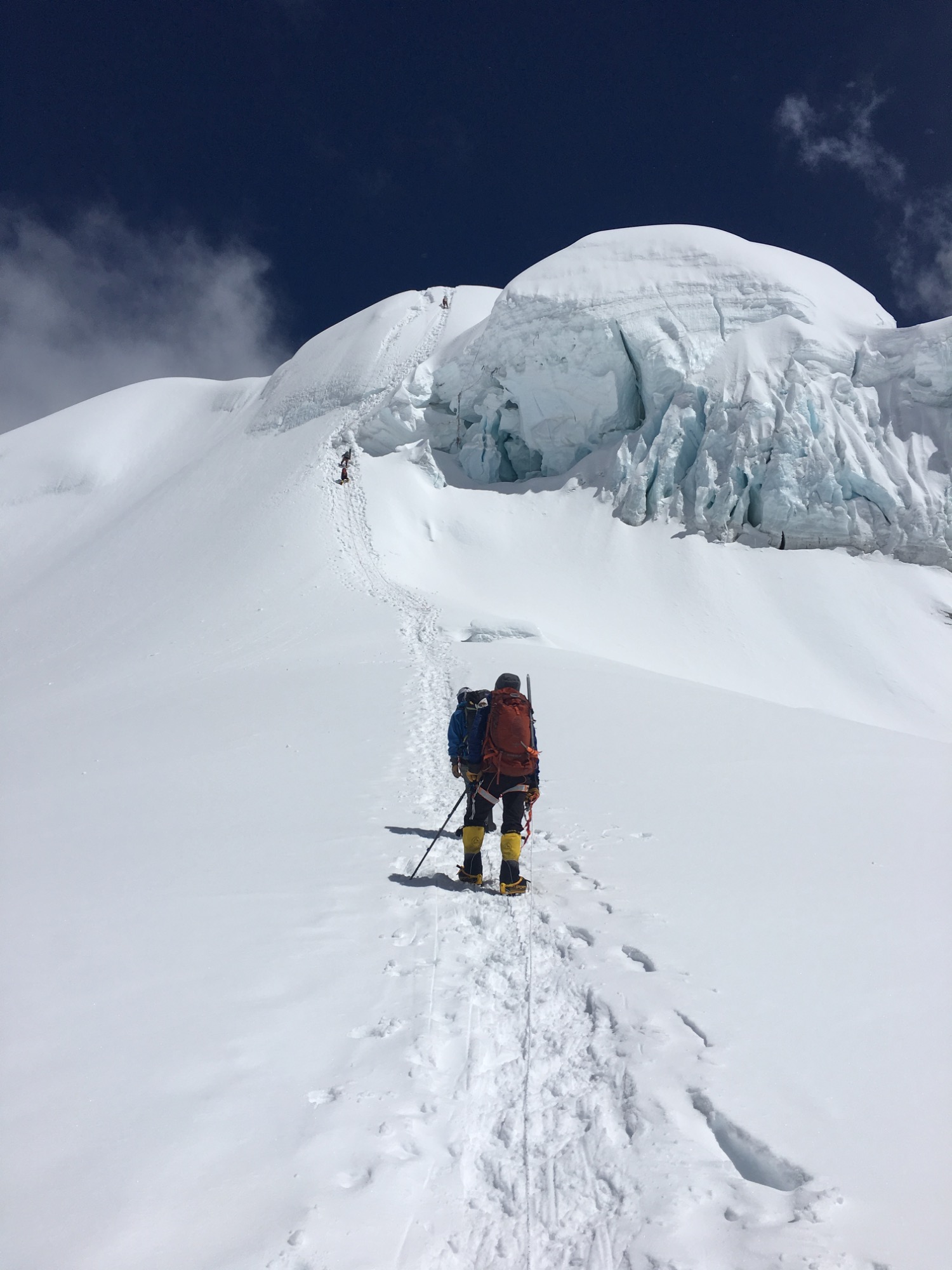
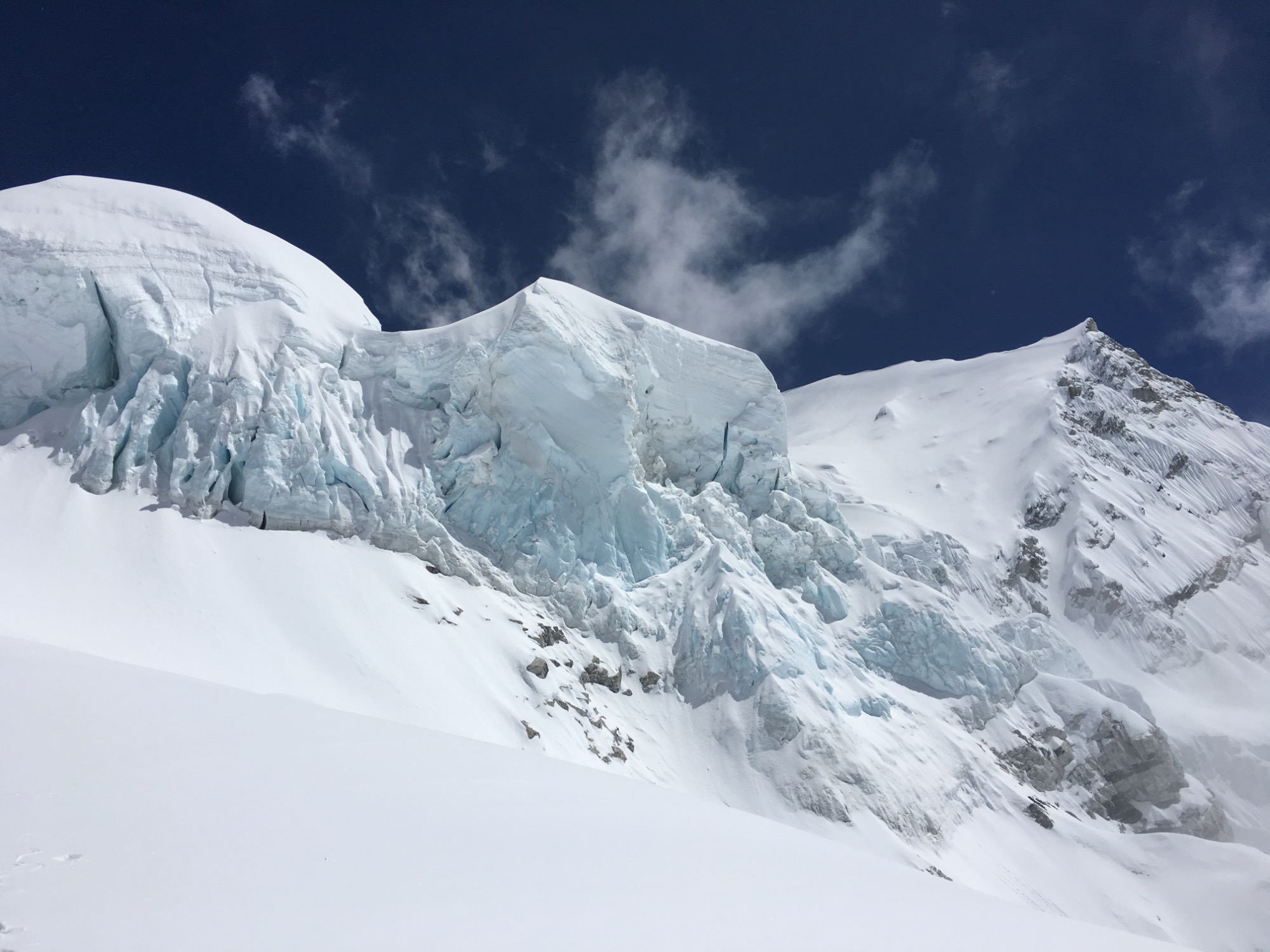
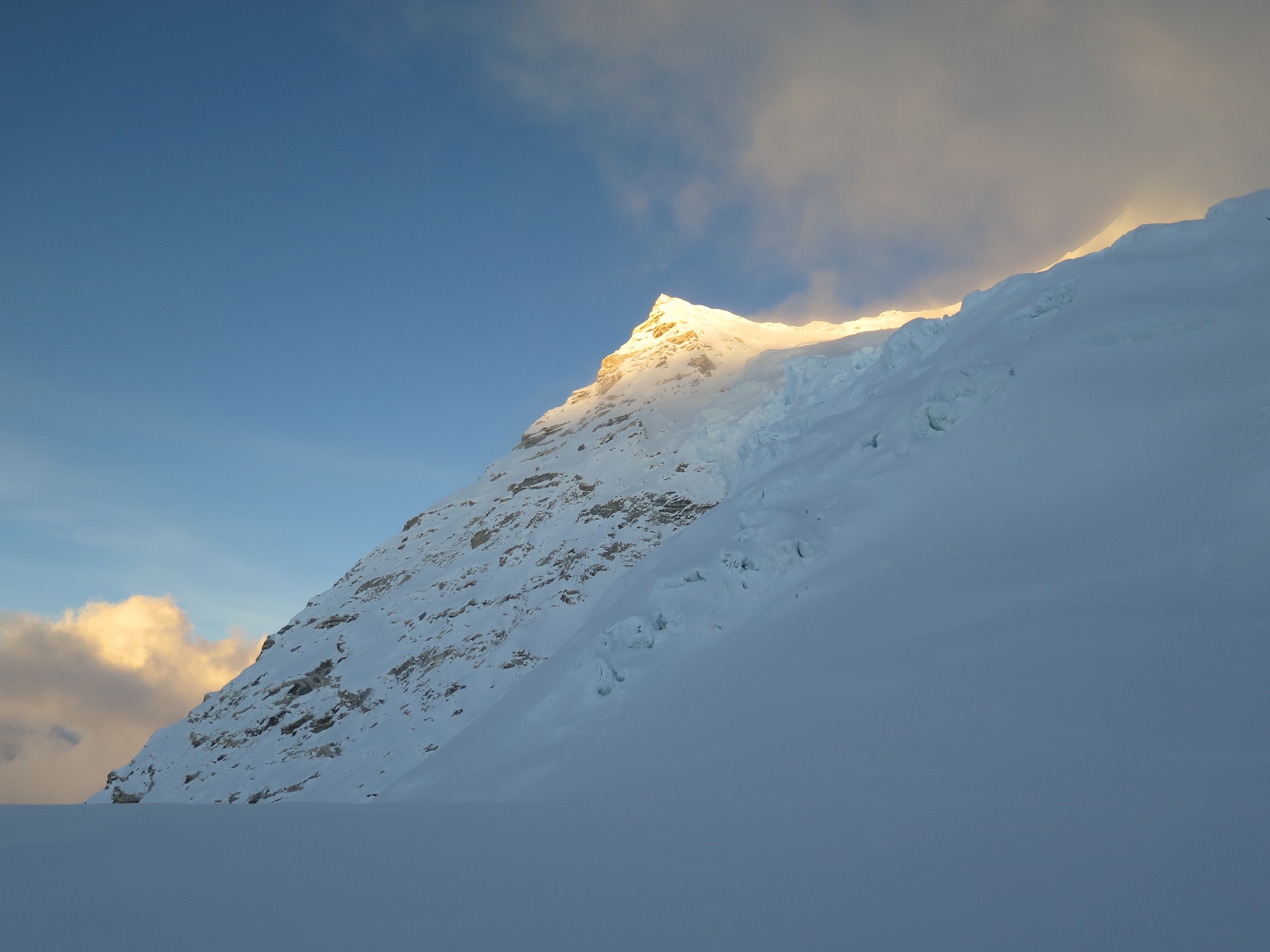
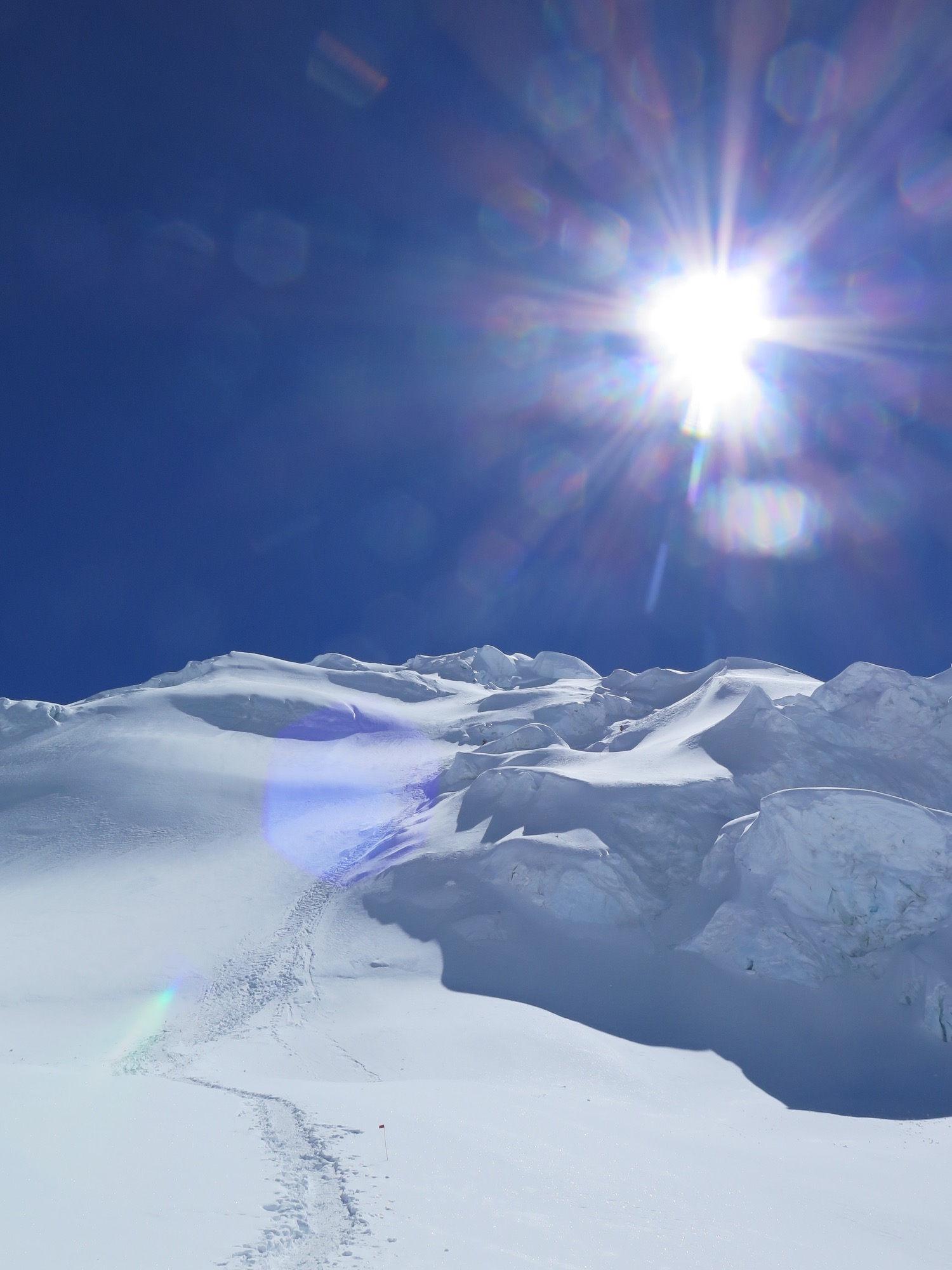
Our first night on the glacier at Camp 1 was unforgettable: a spectacular sunset, tents perched precariously on ice, the route over the serac glowing in the distance.
After dinner I headed to the toilet pit. I dropped the back of my snow suit, crouched… and in the miserable cold and darkness, I managed to do some of my business on myself.
Horrified doesn’t begin to describe how I felt. Back in my tent I tried cleaning up - wipes, sanitizer, snow - only making things worse. I smelled awful and felt even worse. Thankfully, the next day we descended to Base Camp, where I scrubbed everything with hot water and bleach until it was salvageable.
A glamorous sport this is not.
Summit Rotation
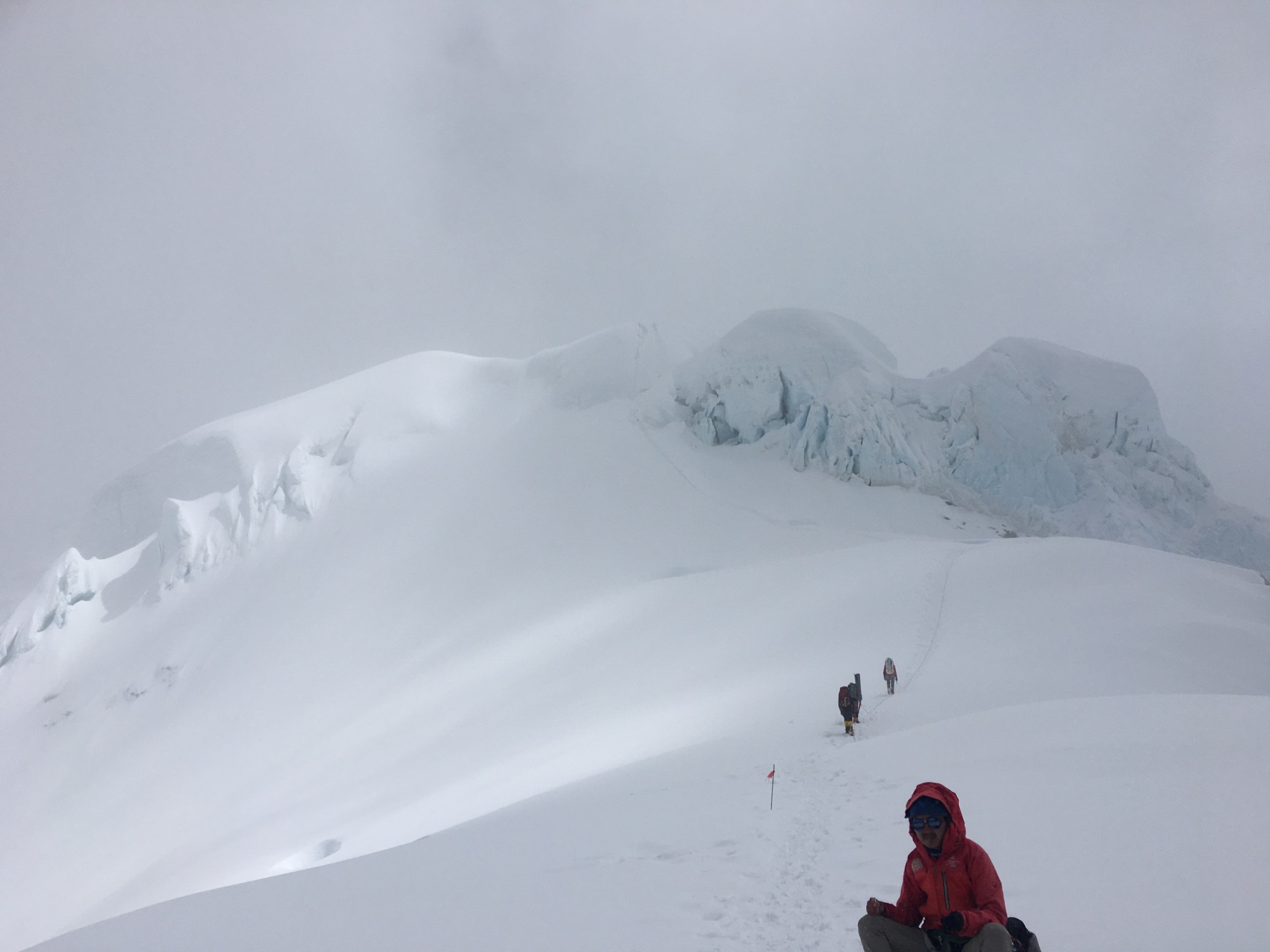
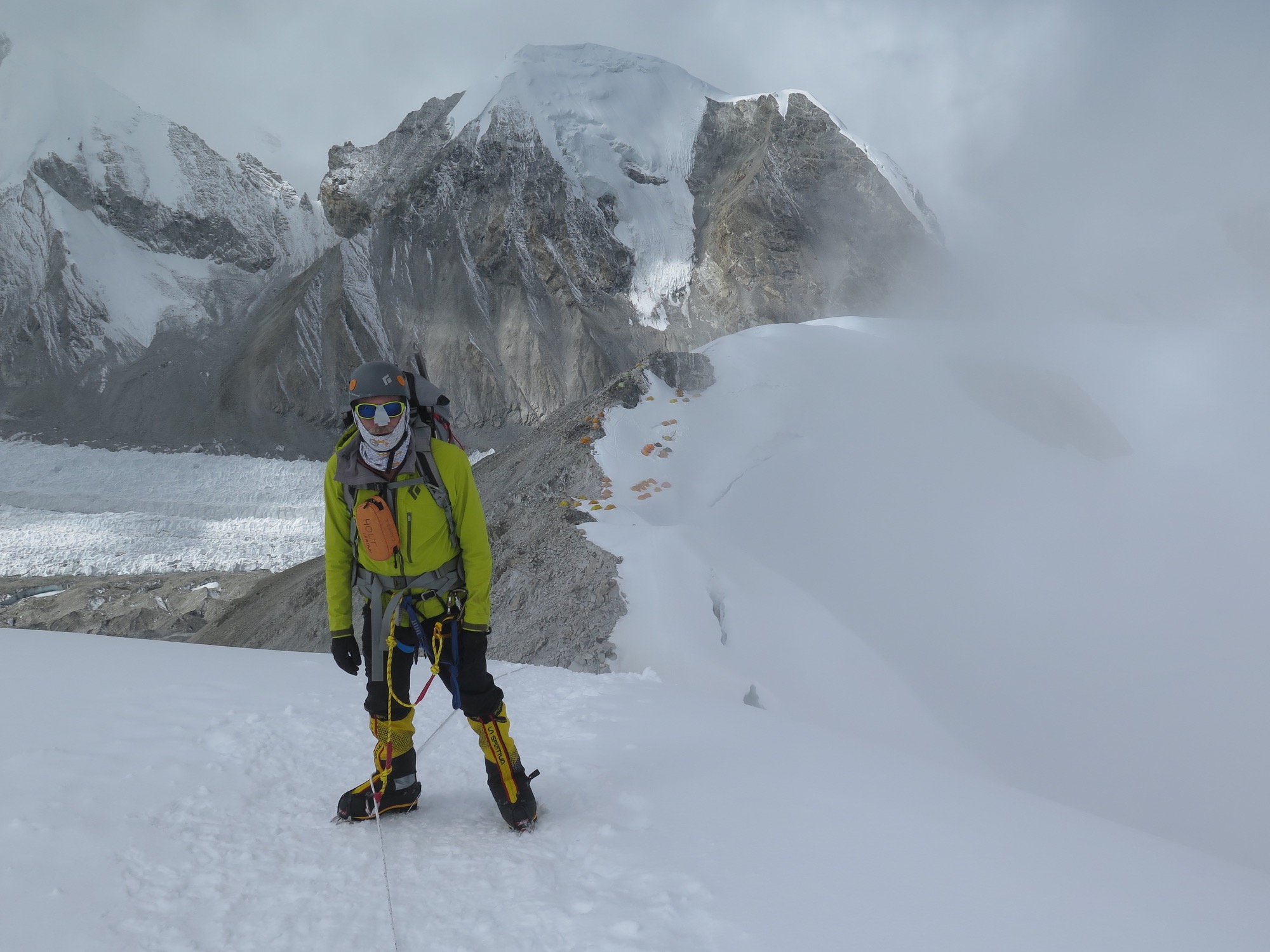
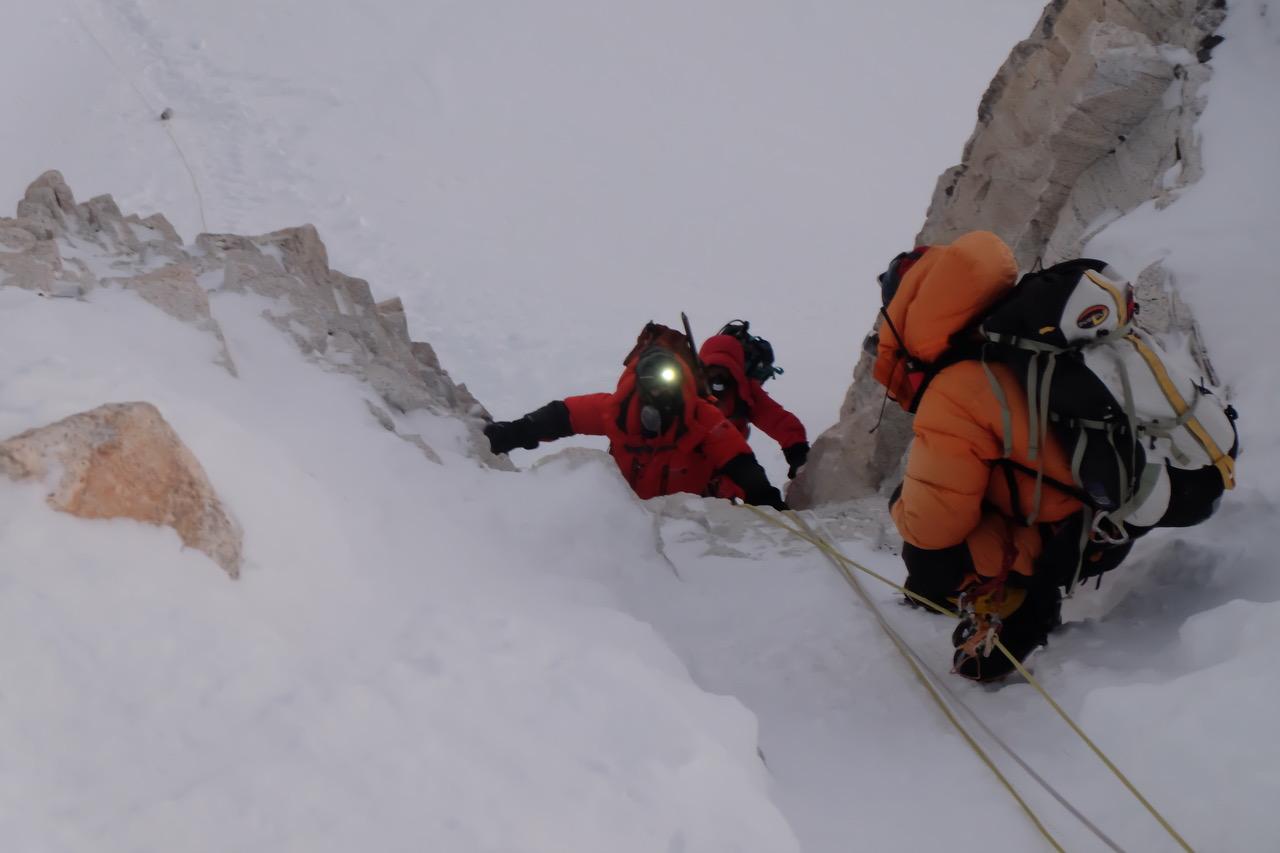
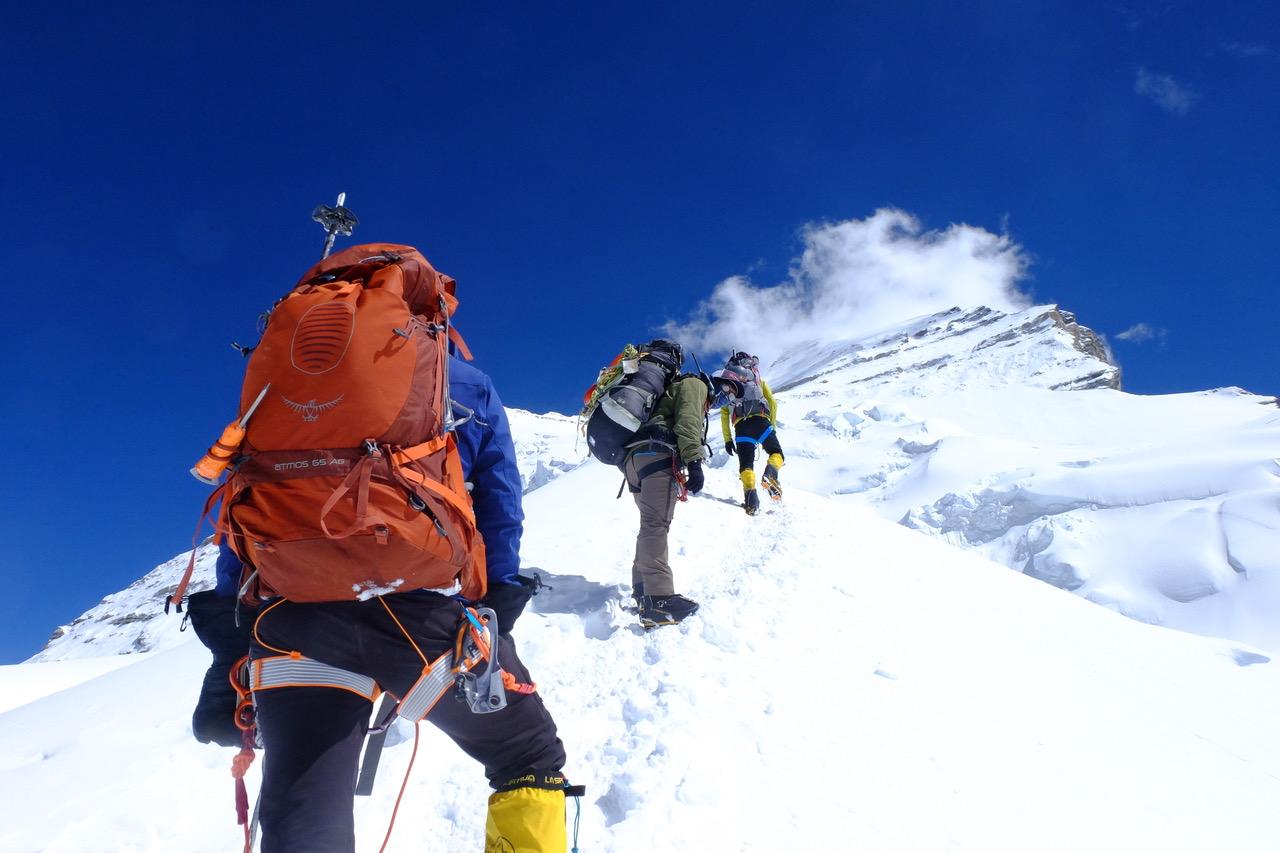
Our final rotation to Camp 2 broke several teammates - one by one they turned back. I found it brutally hard but thrilling, and I was fortunate to make it to Camp 2 with the summit still ahead.
On September 27th we launched our summit push. Day one: climb to Camp 1 and sleep. Day two: climb to Camp 2, rest on oxygen until 1 a.m., then suit up and leave by 2 a.m.
Only three of us from the original team of ten were still in the game.
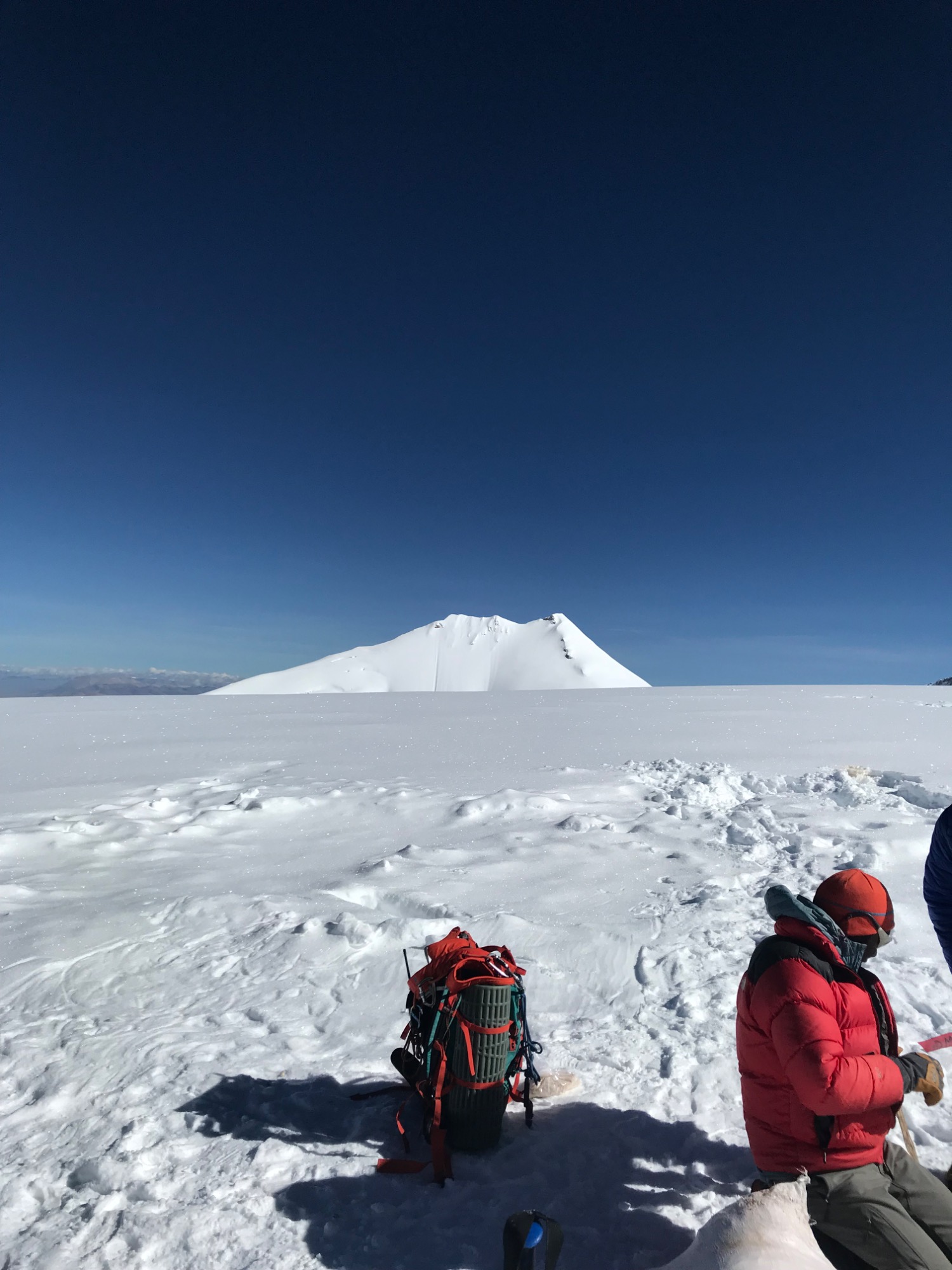
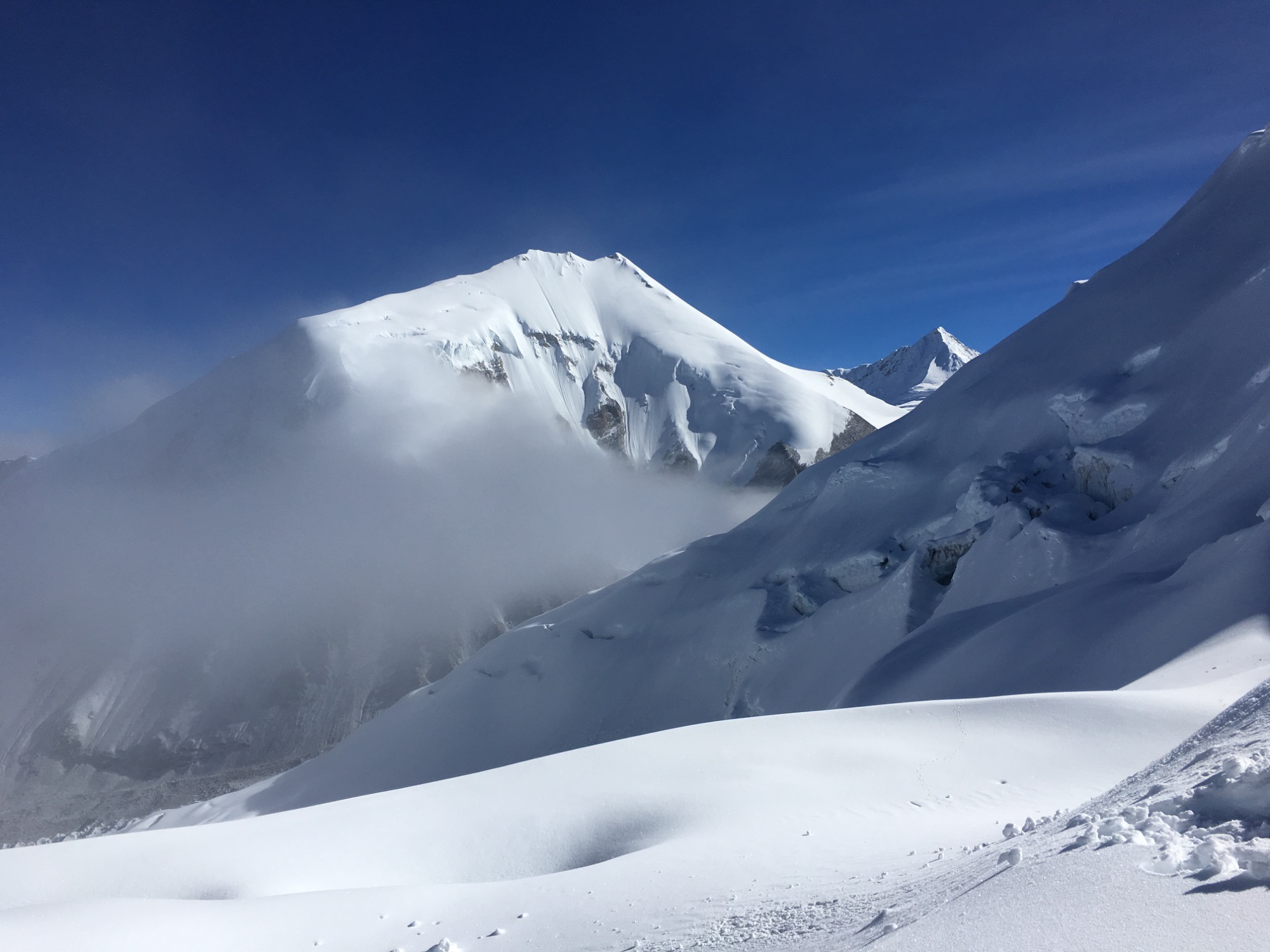
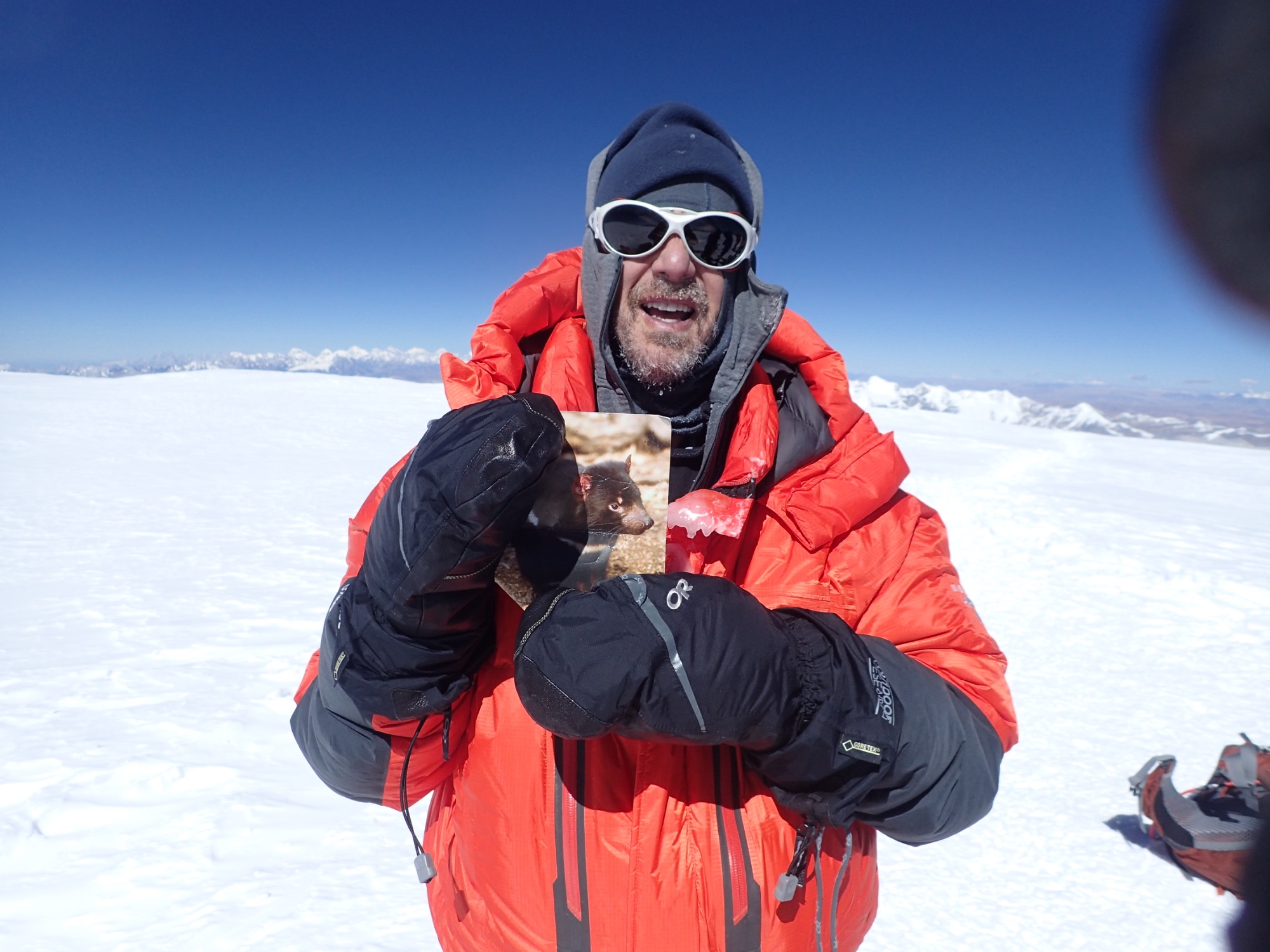
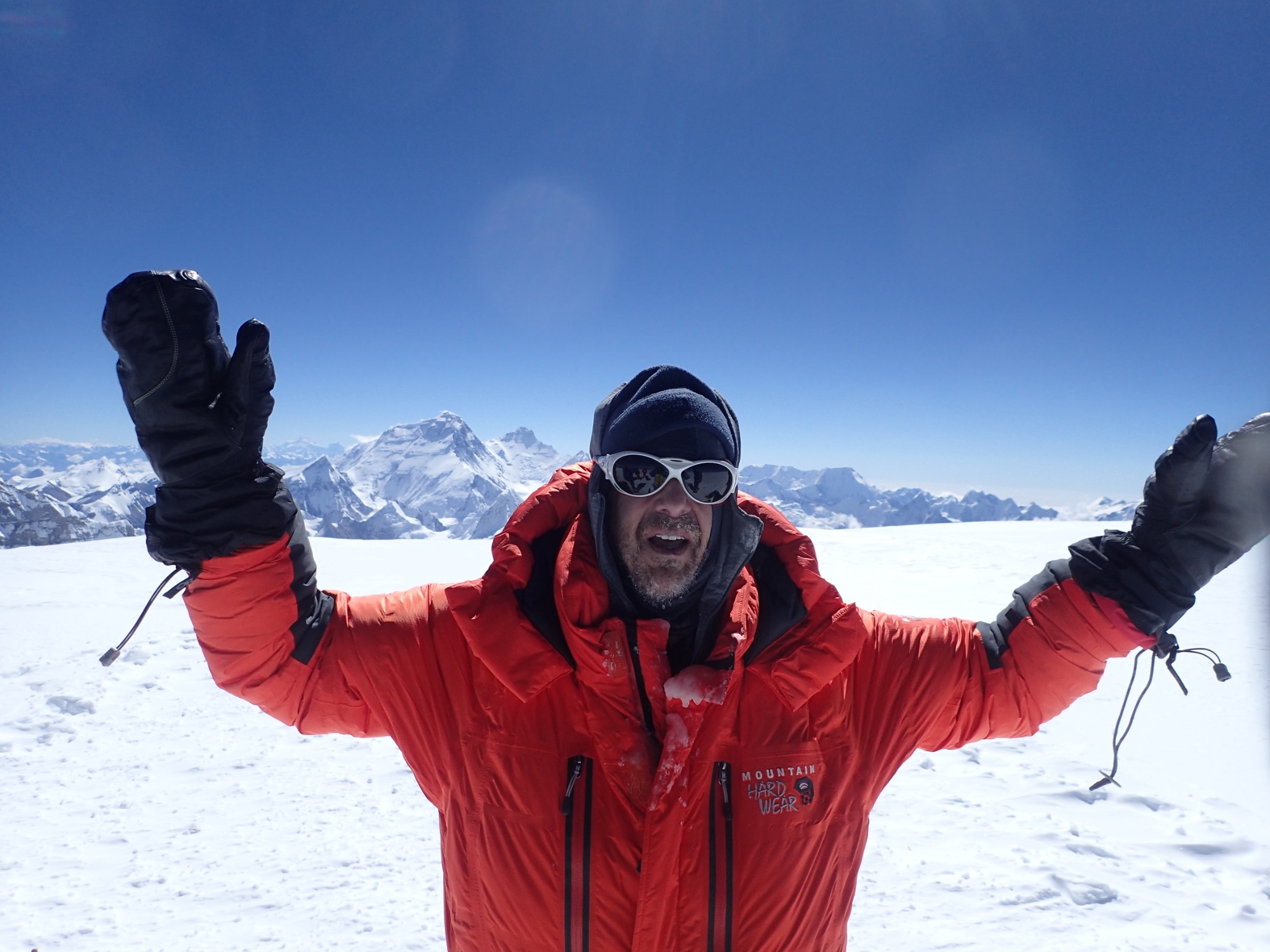
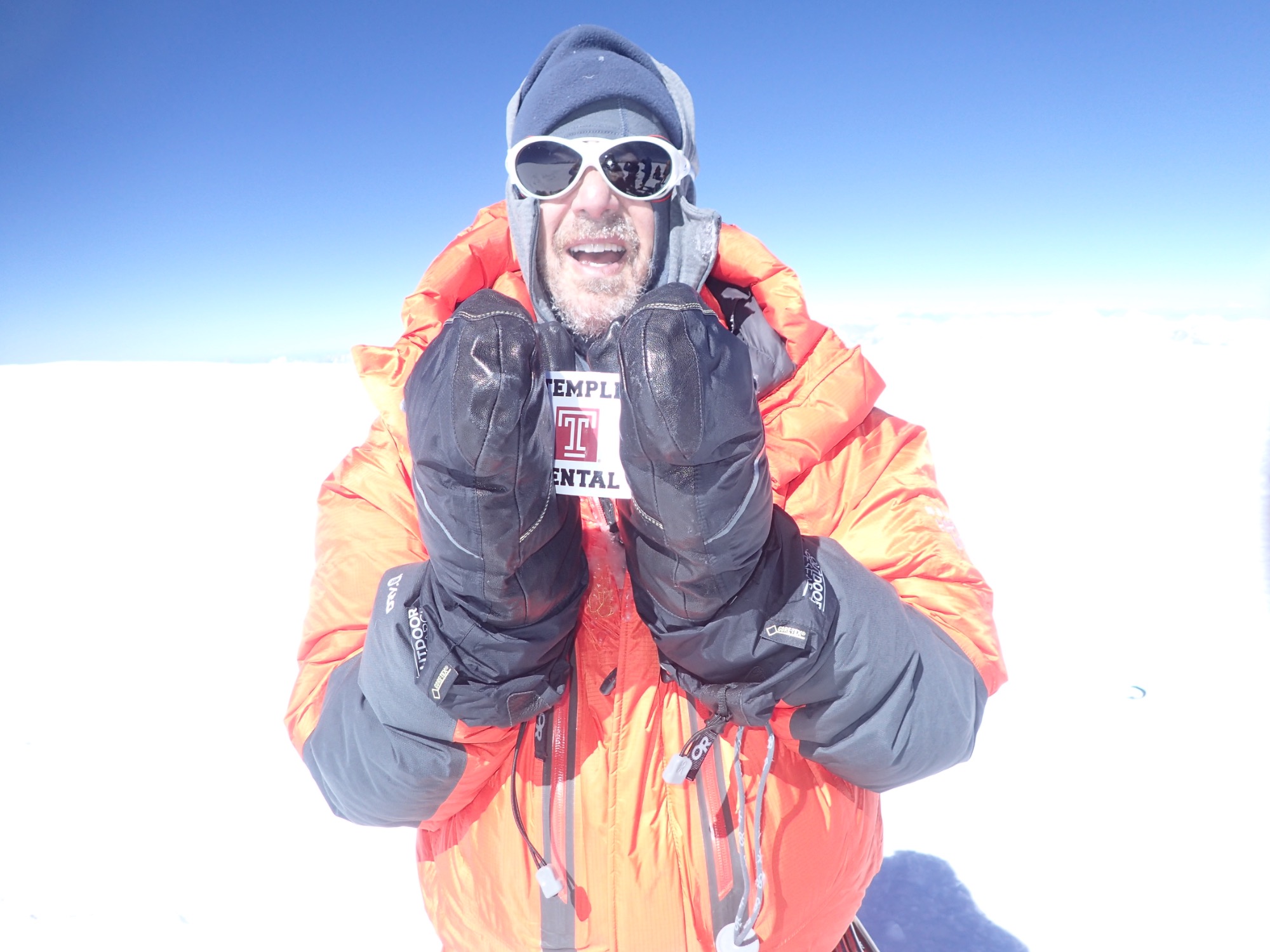
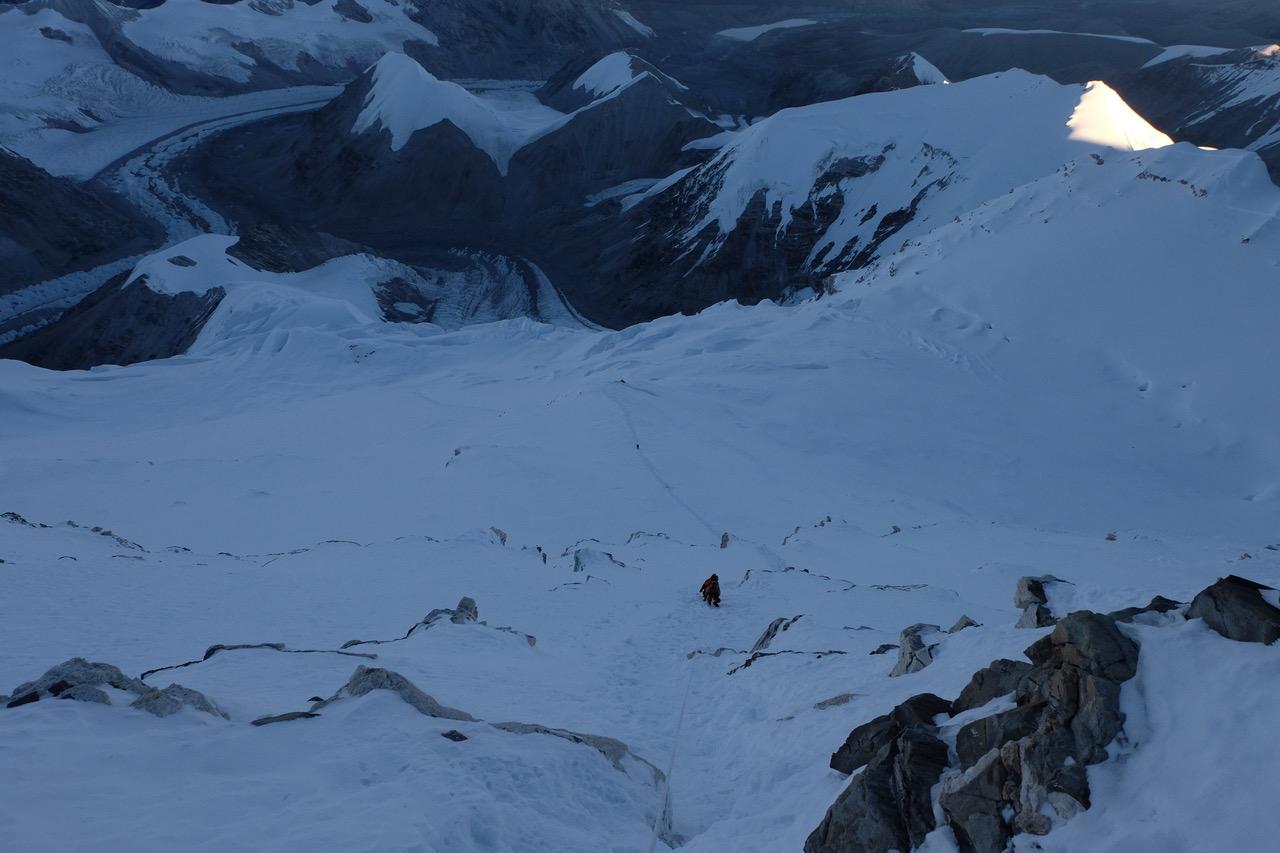
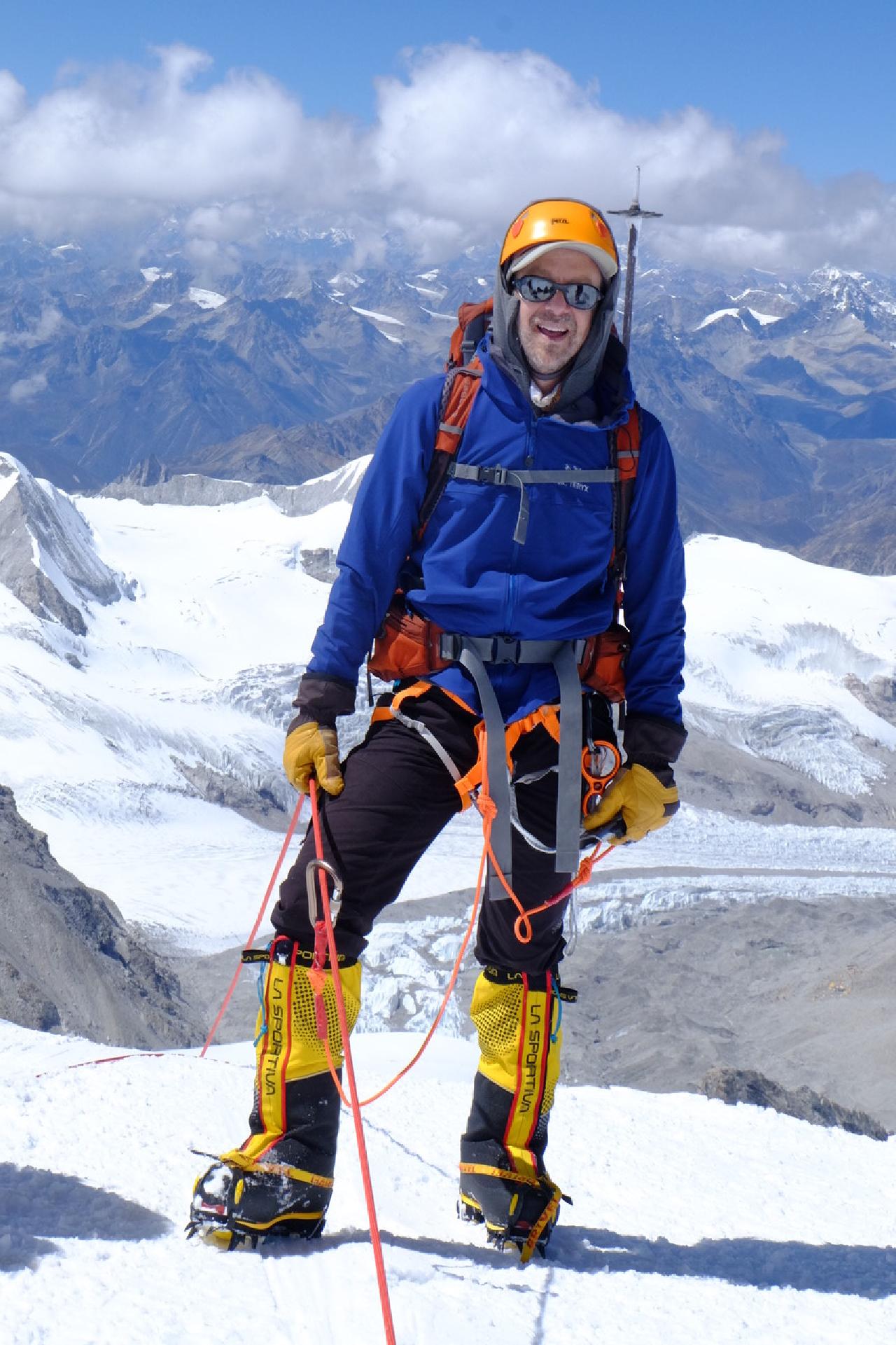
We climbed for six and a half hours in the dark, ascending into the thin, freezing air until the summit ridge finally appeared. All three of us reached the summit—and all three eventually made it back down to Camp 2.
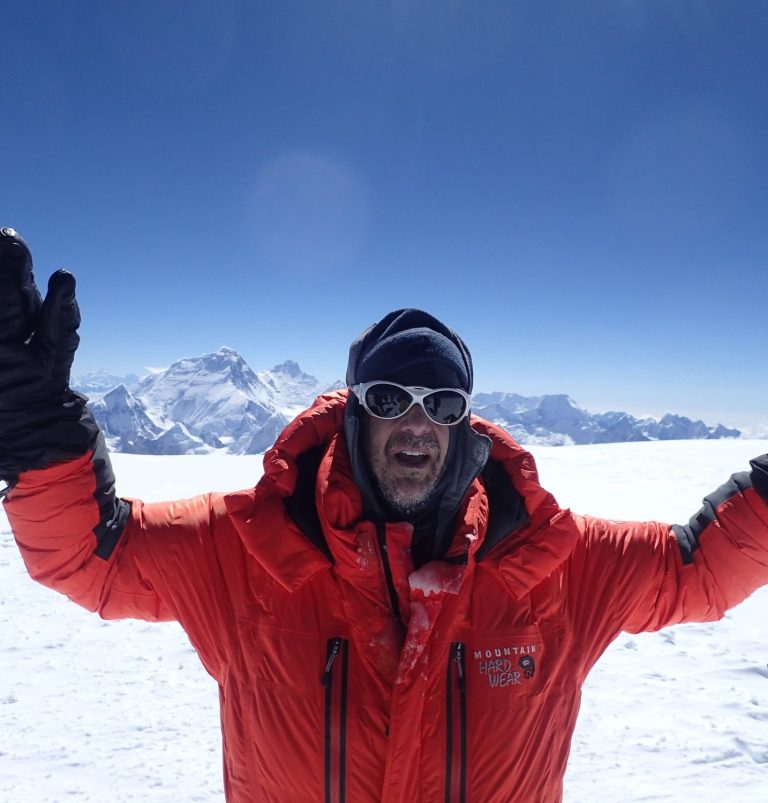
One of my favorite photos is of me on the summit with Everest over my right shoulder - sharp, steep, intimidating. I remember staring at it thinking, How could I ever climb that? I just gave Cho Oyu everything I had.
A Question for Finjo
On the descent I stopped with my Sherpa guide, Finjo. I reminded him that Cho Oyu was my test for Everest in the coming spring.
“Do you think I can climb Everest?” I asked.
He nodded and said, “Yes.”
“Is it harder than Cho Oyu?”
He paused and then said something I will never forget:
“Everest… very, very hard.”
His words scared me. But they also lit a fire inside me that would fuel the hardest year of training I’ve ever done.
What Cho Oyu Gave Me
Cho Oyu was my test - the question mark between who I was and who I hoped to be. The climbing was hard, but I proved to myself that I could do it. And beyond the climbing, I loved every part of the journey: the people, the customs, the scenery that overwhelms you with its scale and beauty.
It’s addictive.
And I know I’ll return to Nepal.
—Bruce
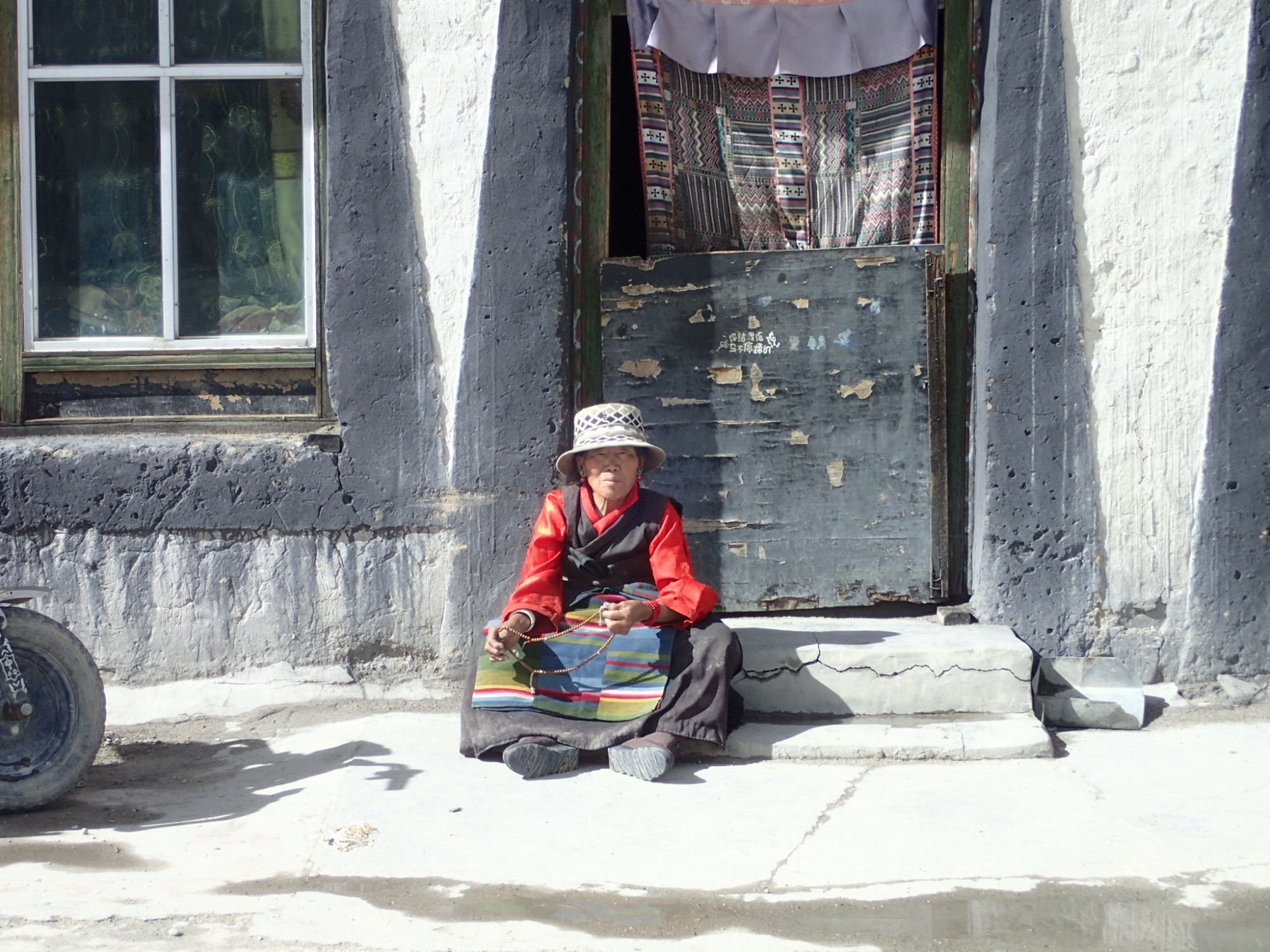
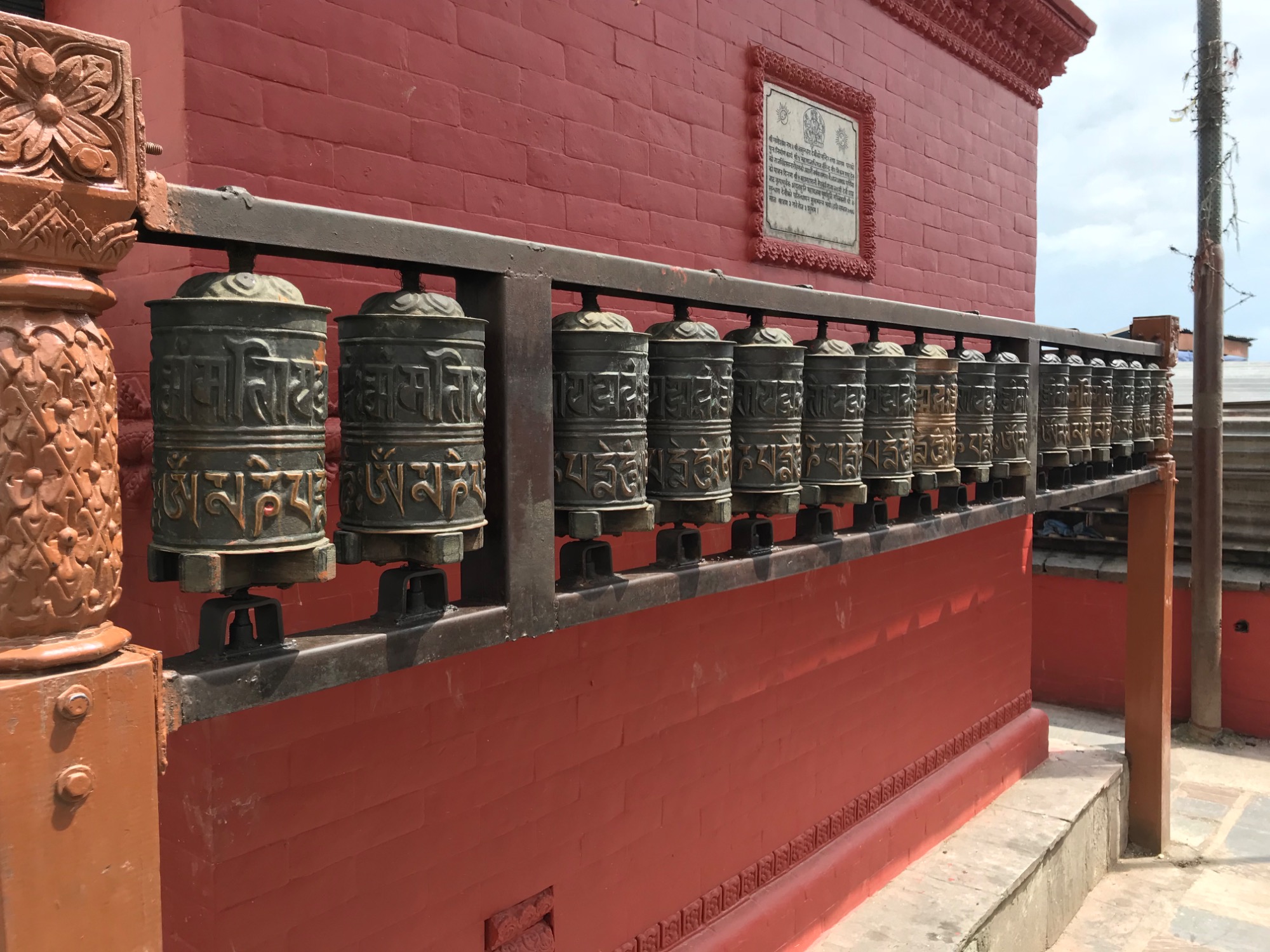
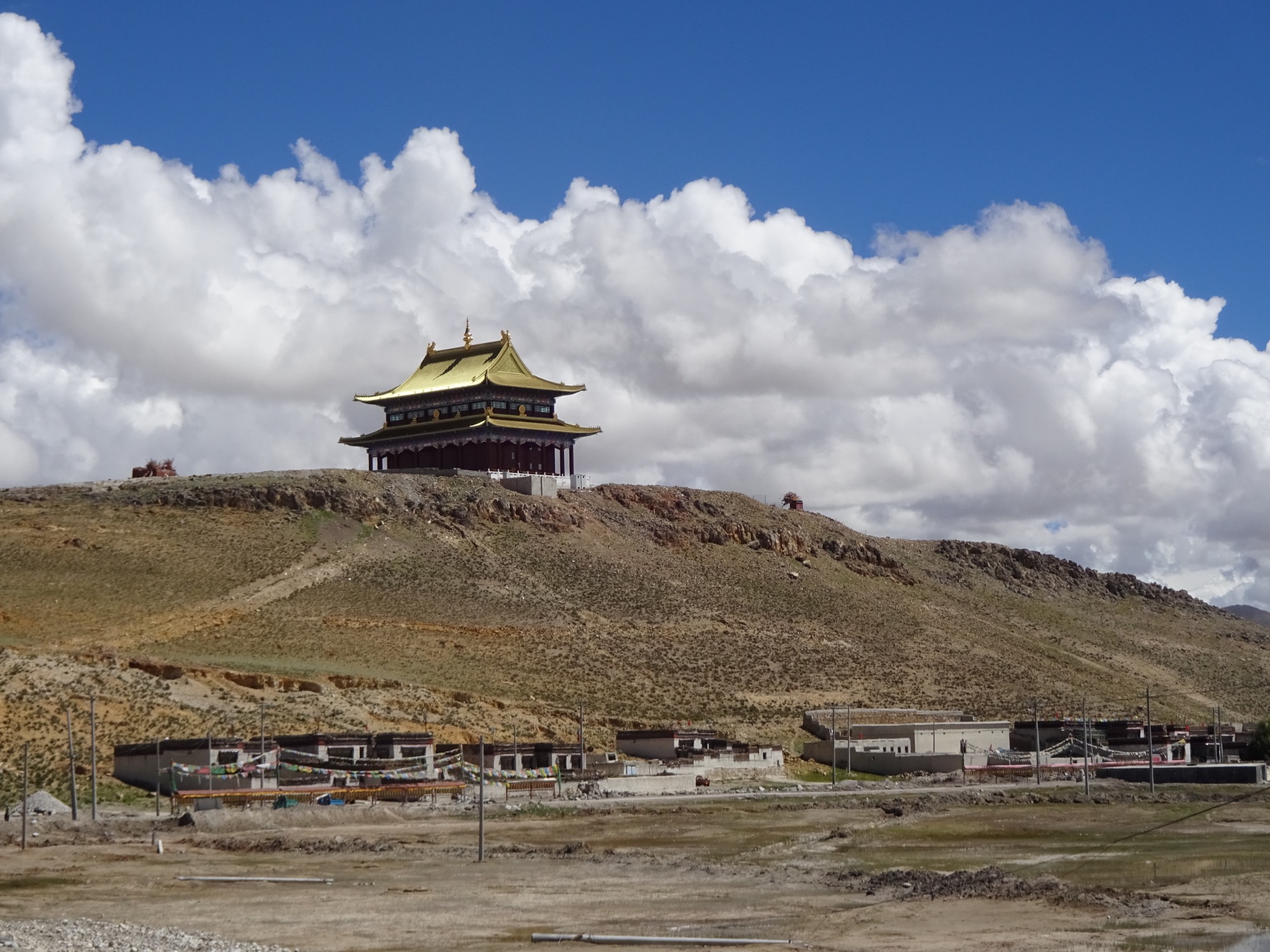
Life Around Katmandu, Tibetan Boarder and Tingri
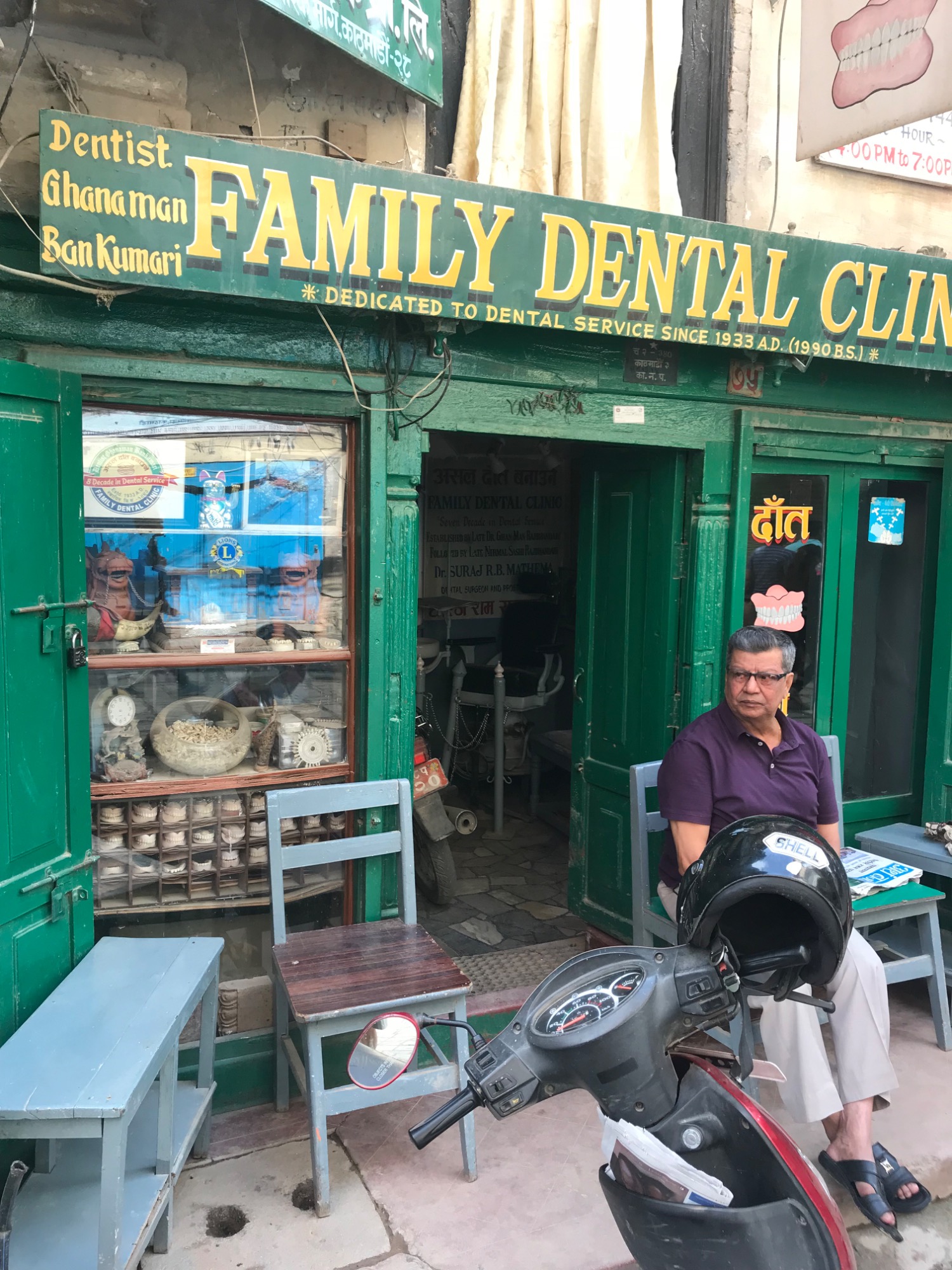
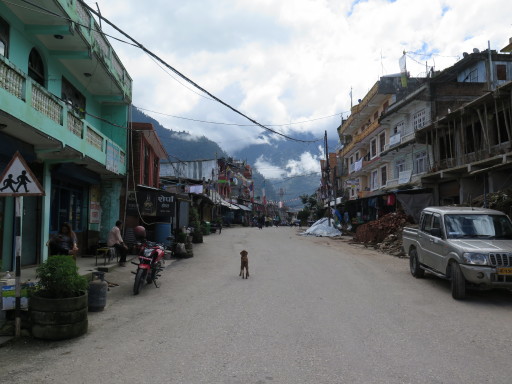
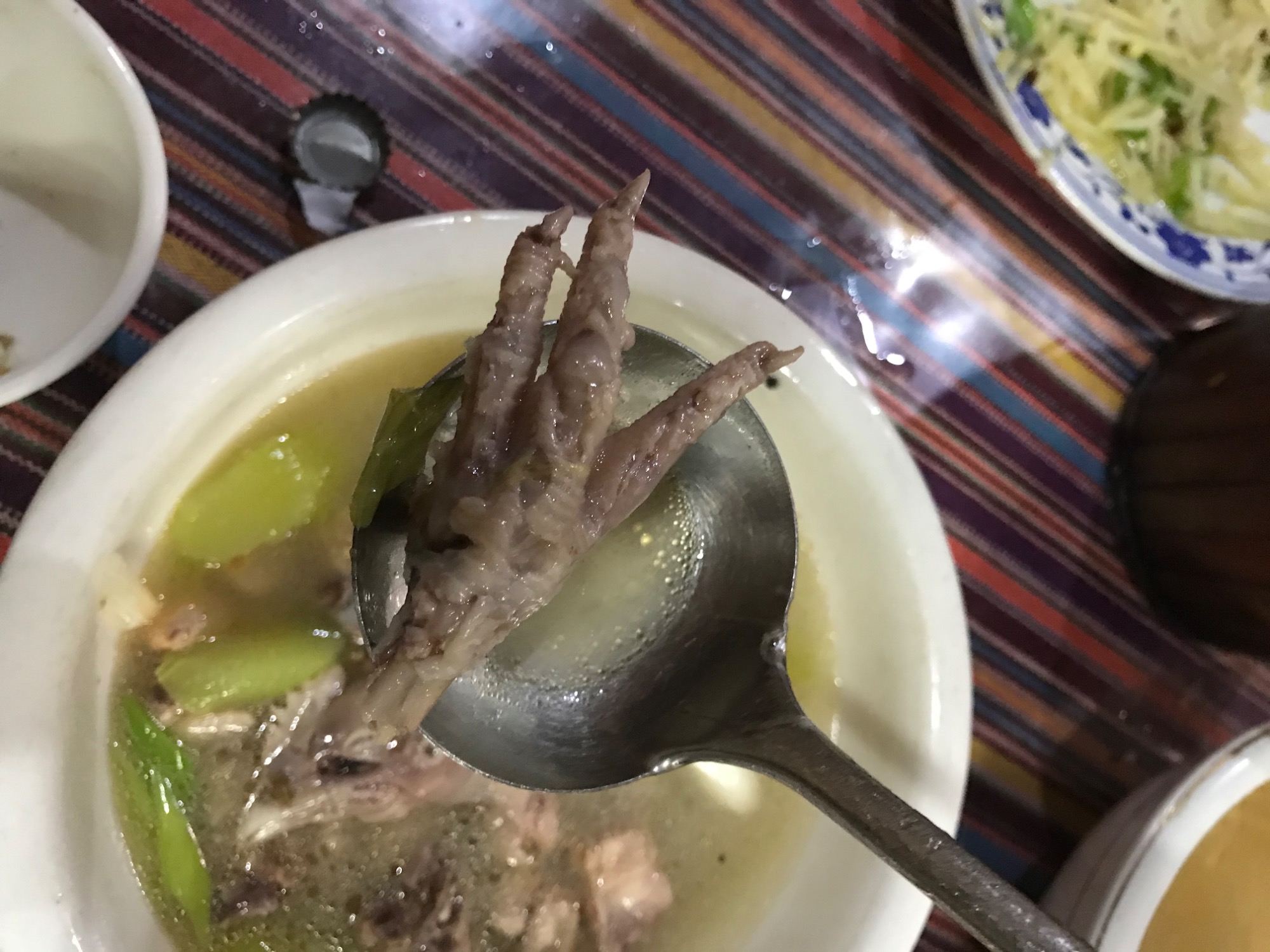
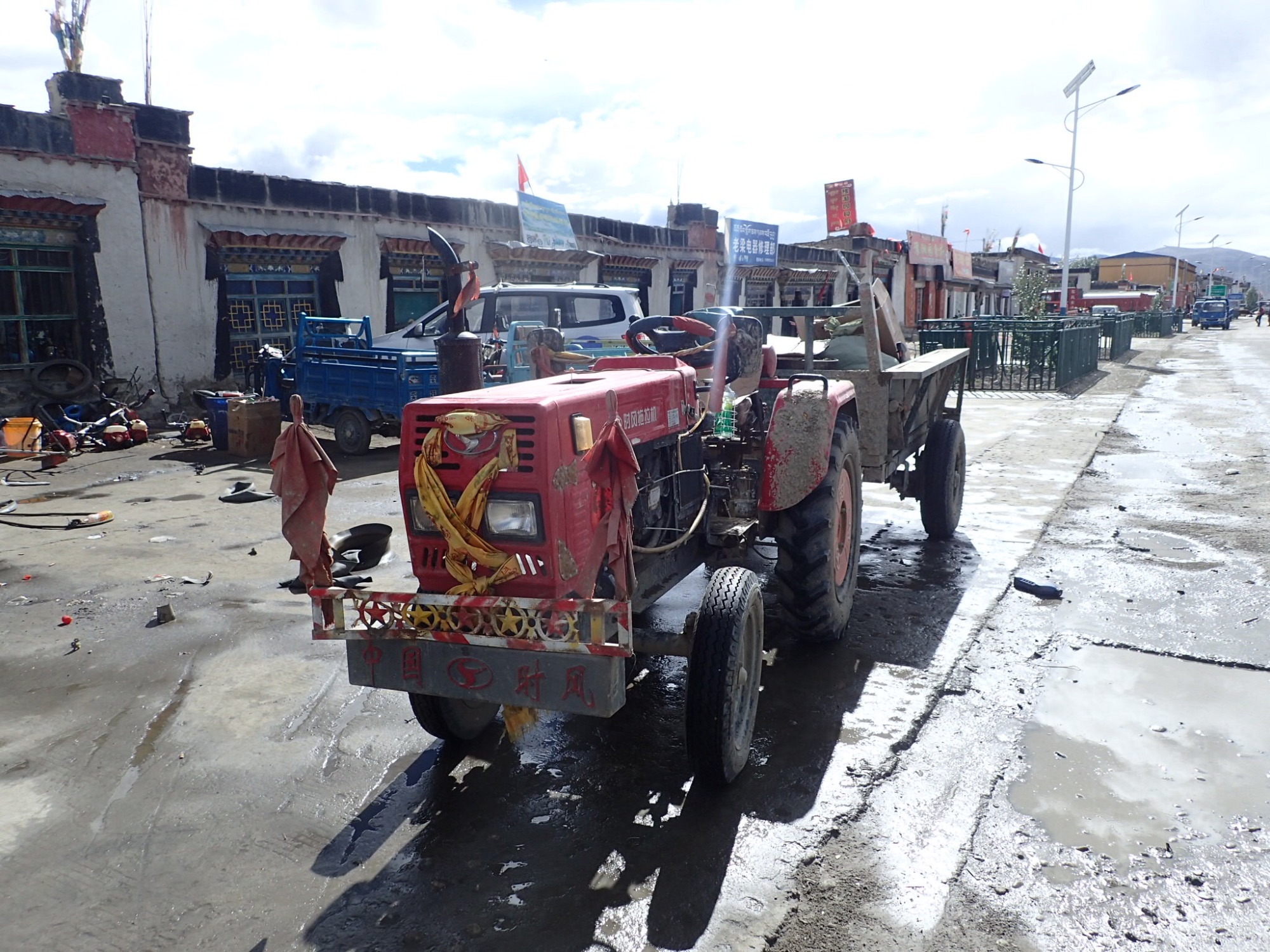
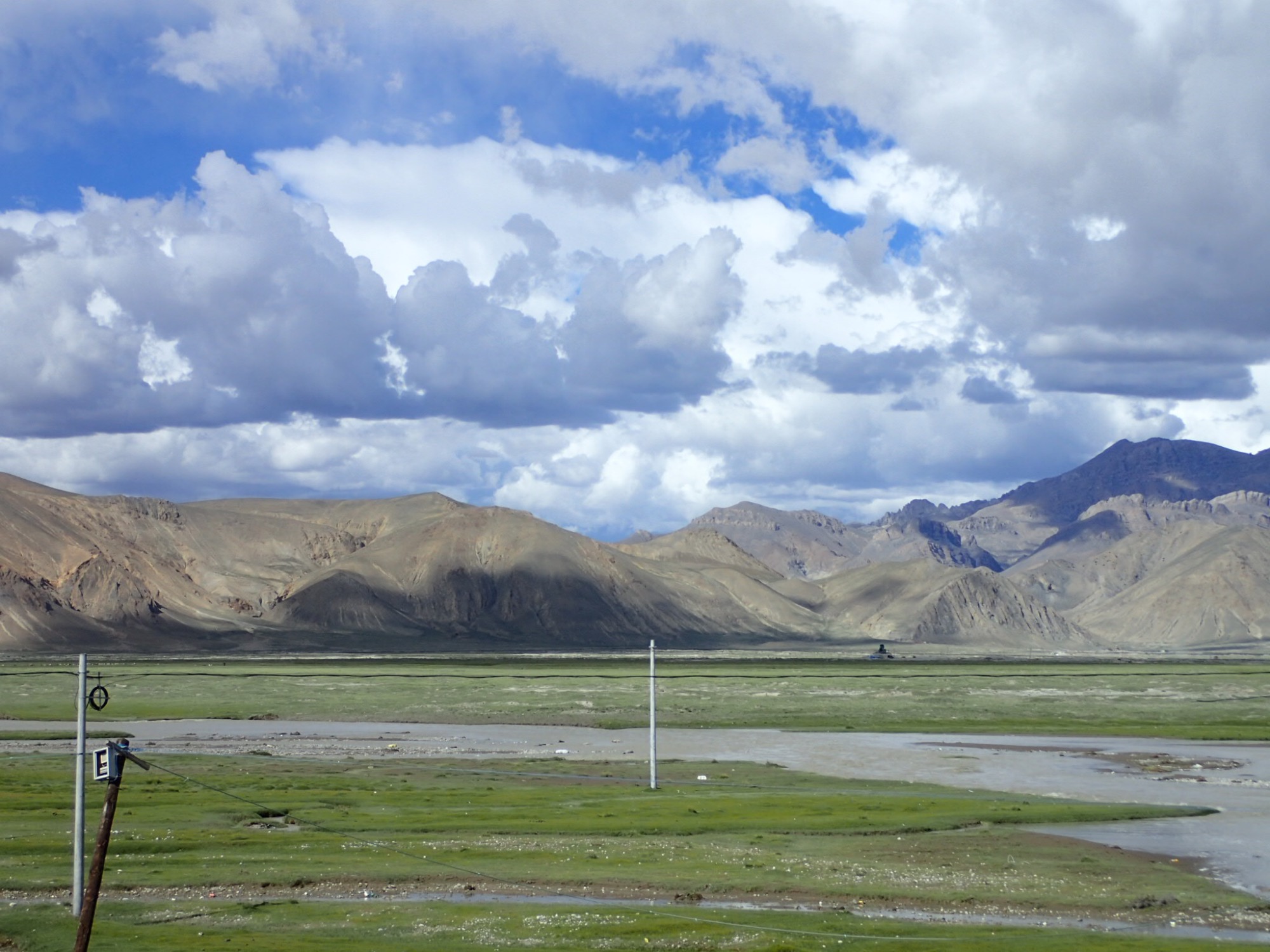
Scenes from Katmandu, the drive to the boarder and the town of Tingri
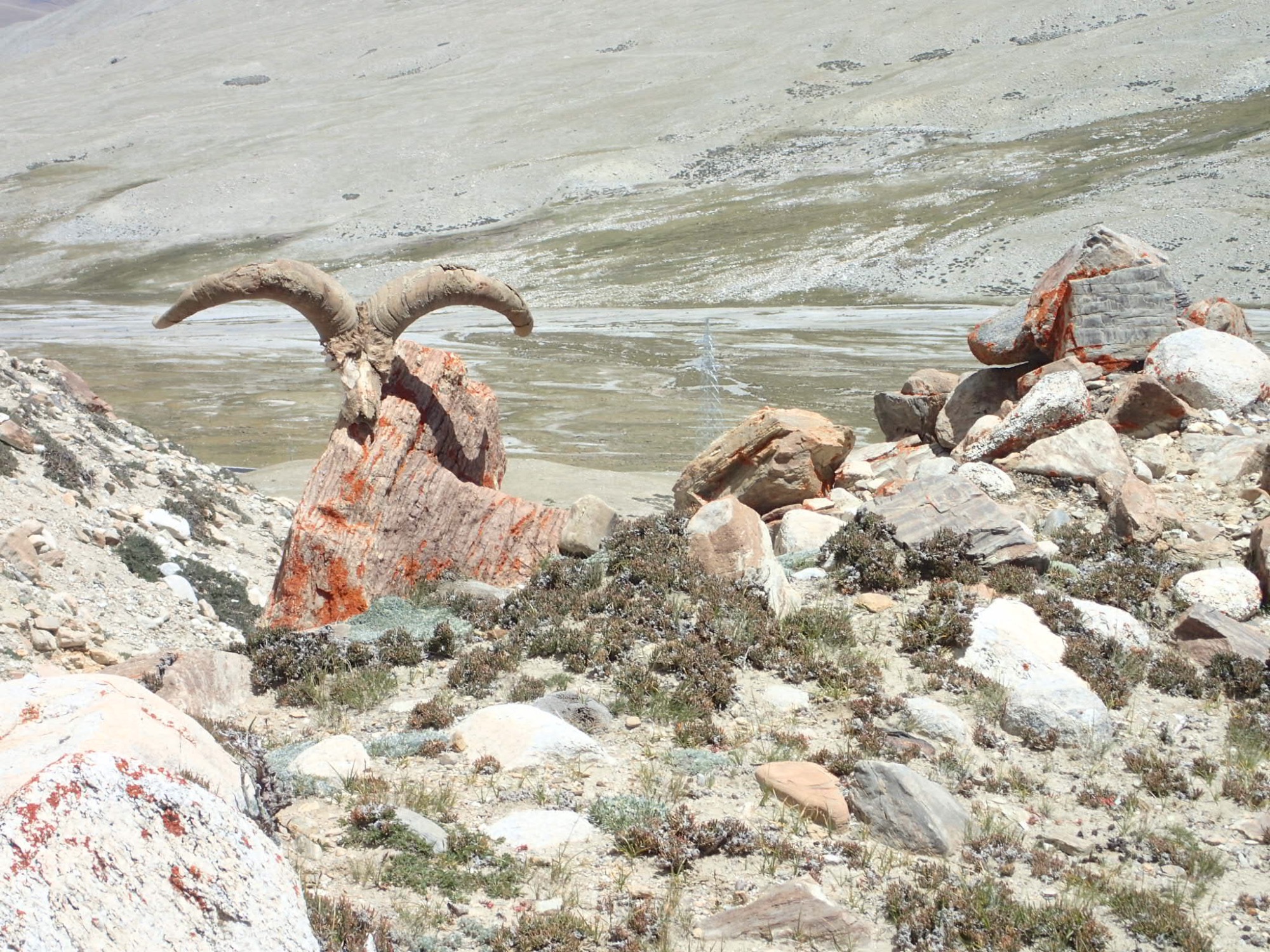
Hiking to Basecamp
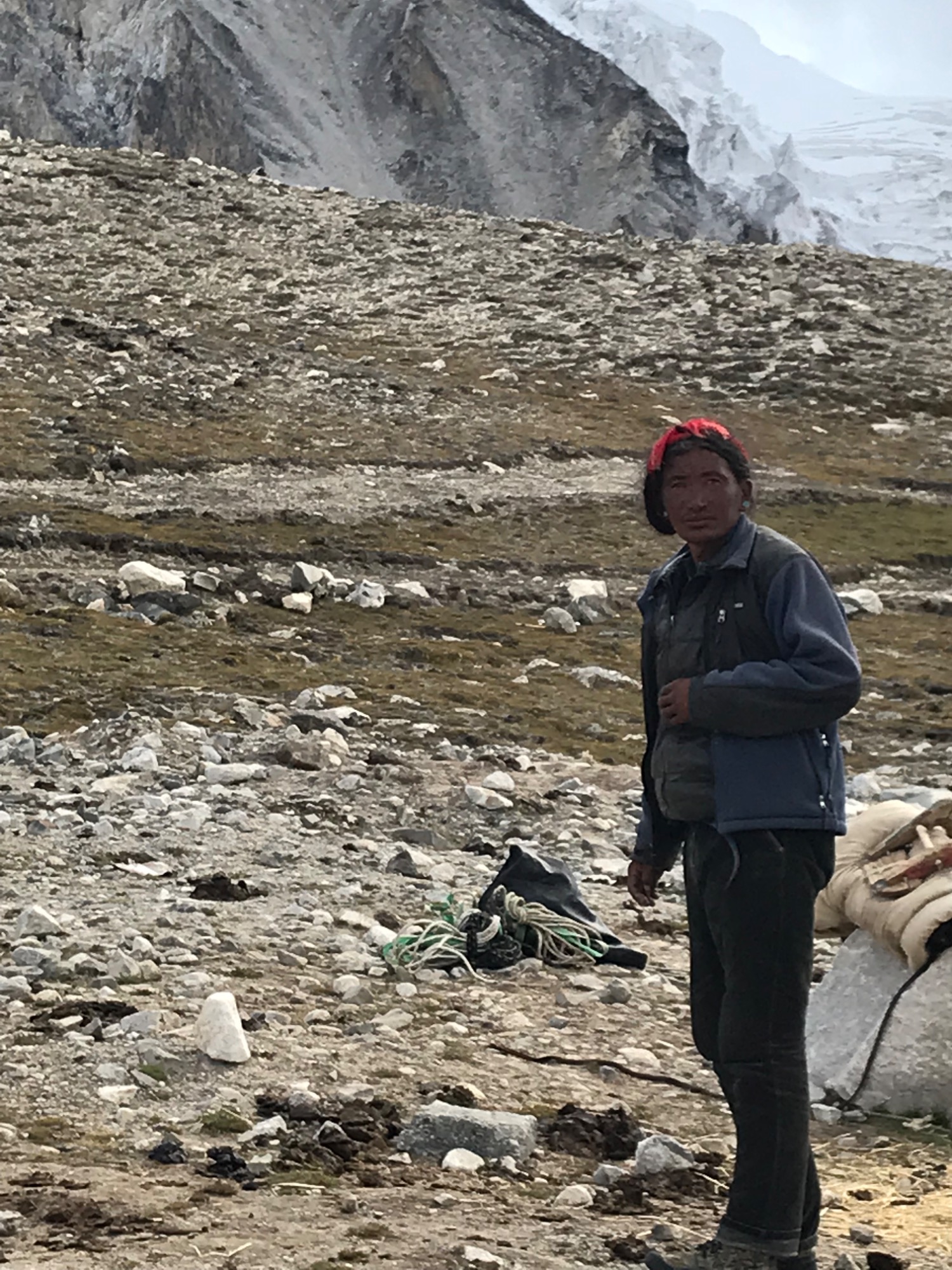
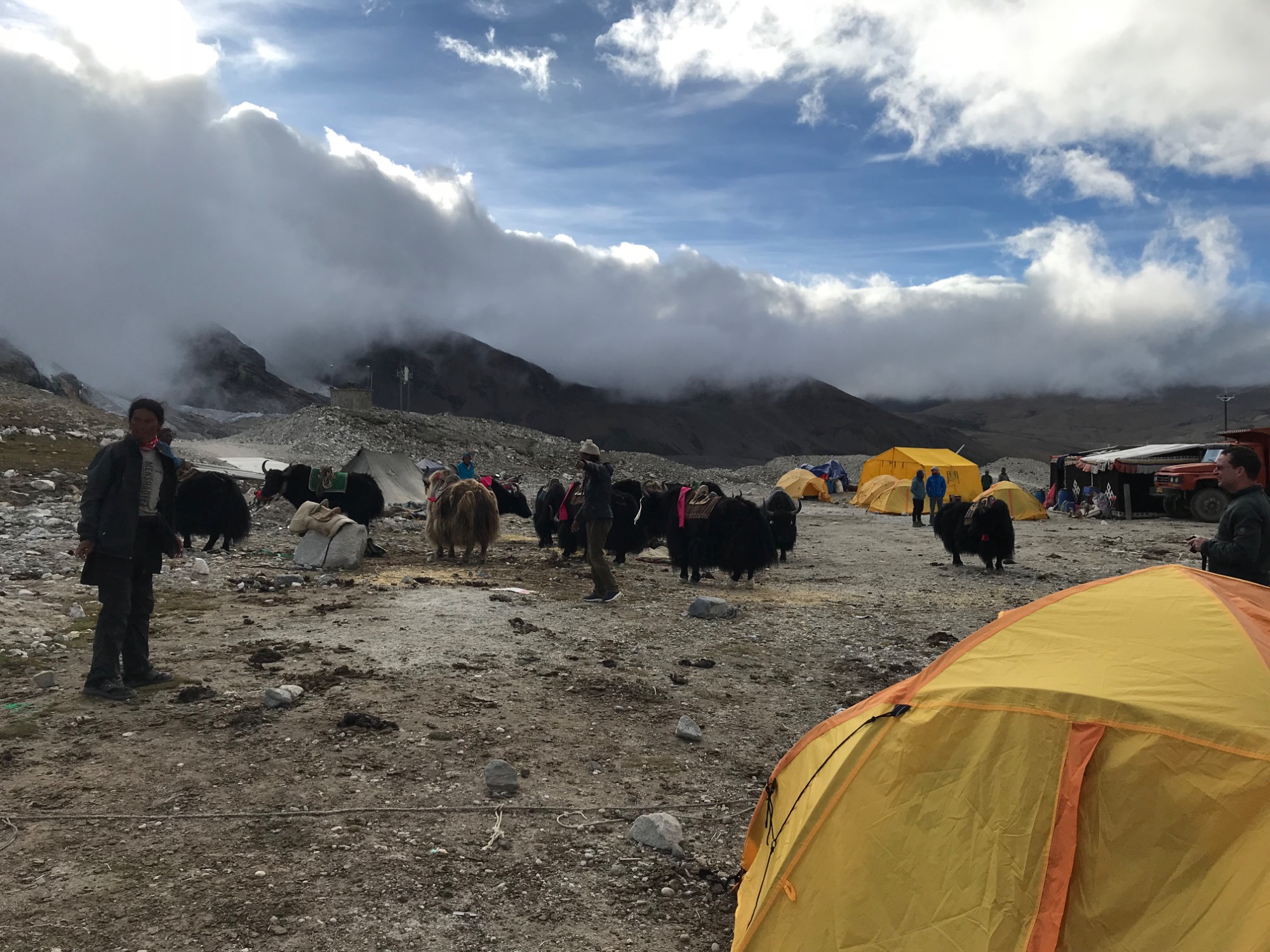
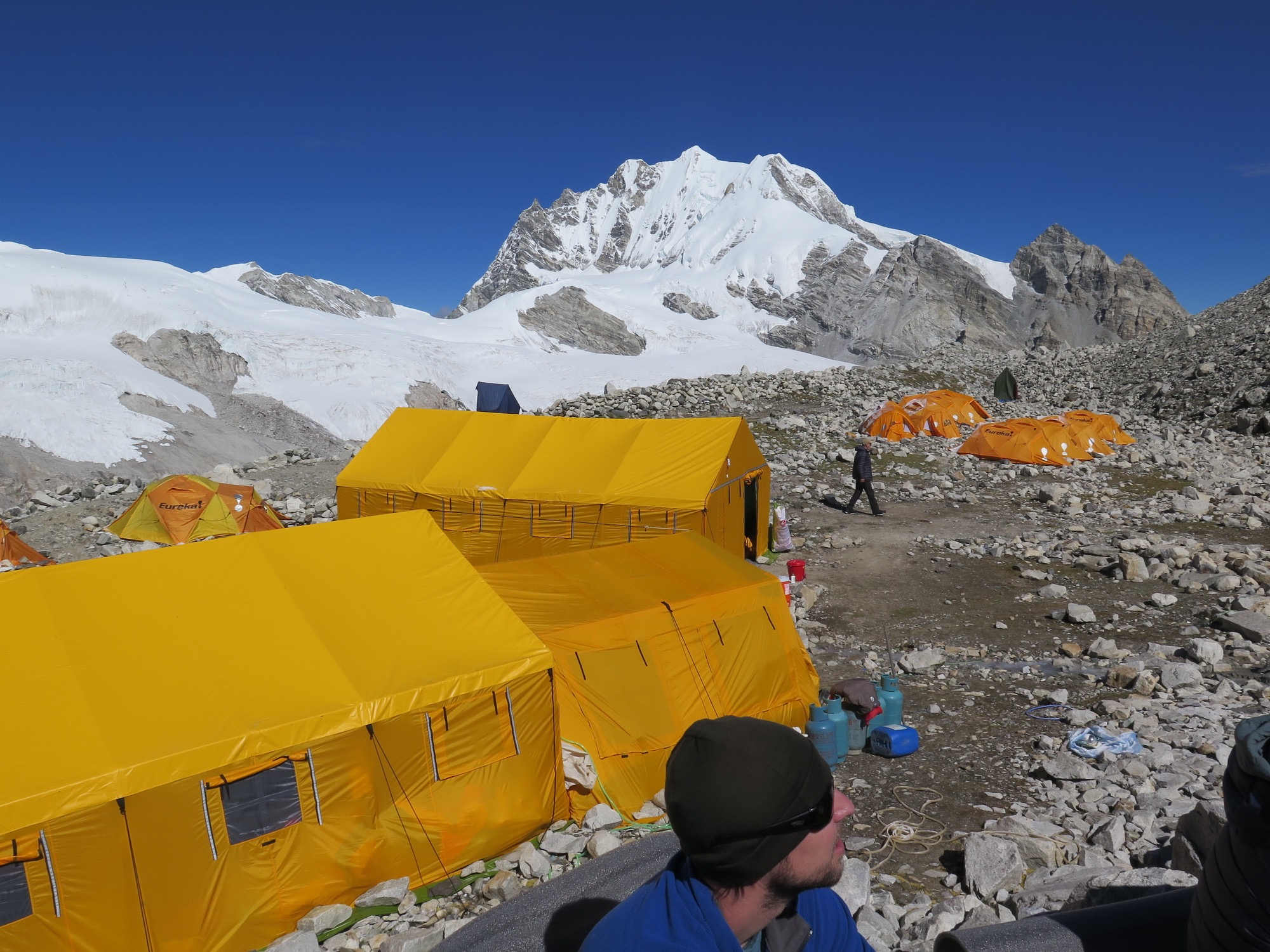
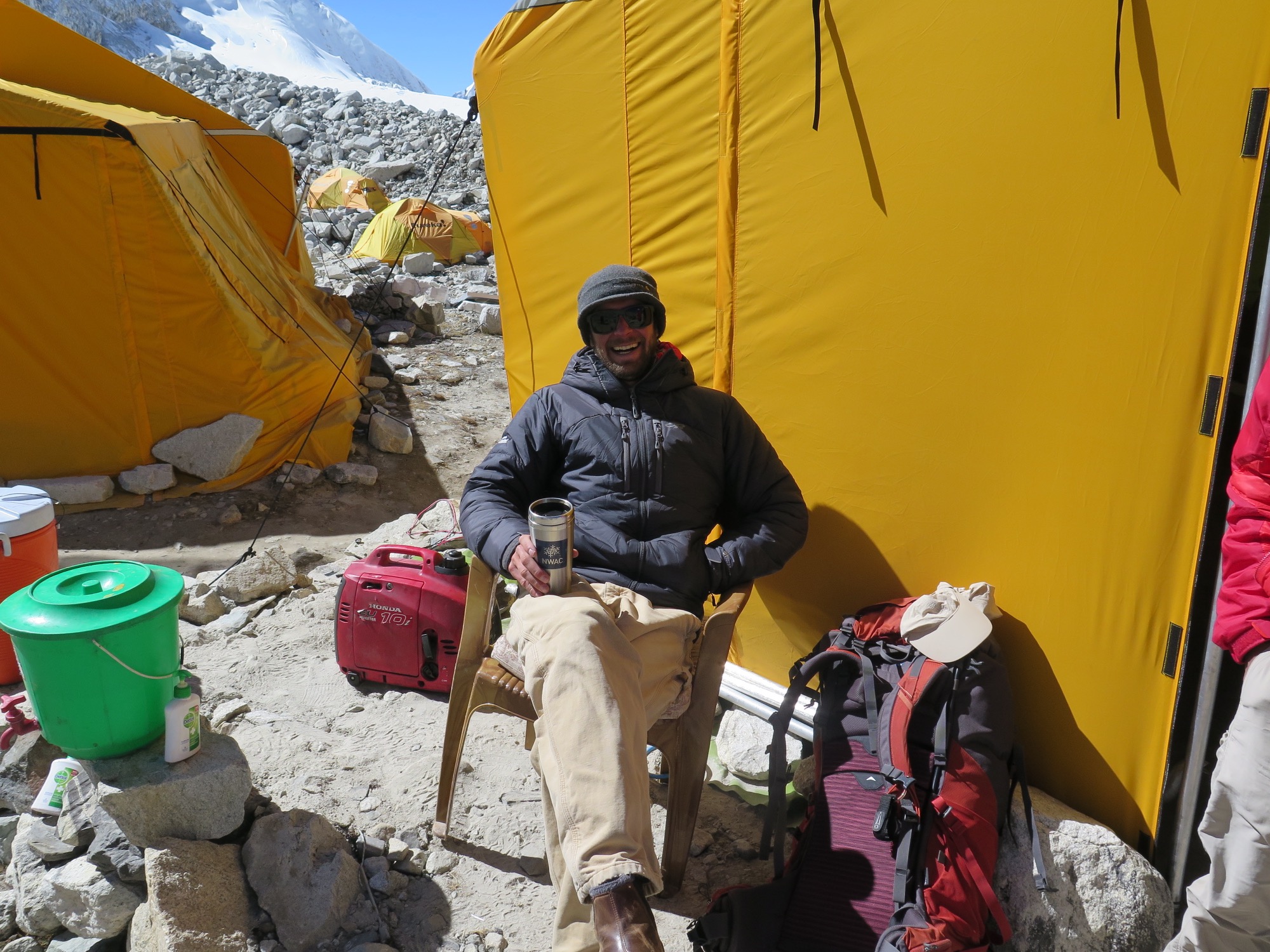
Life at Cho Oyu Basecamp
Nullam eget molestie risus
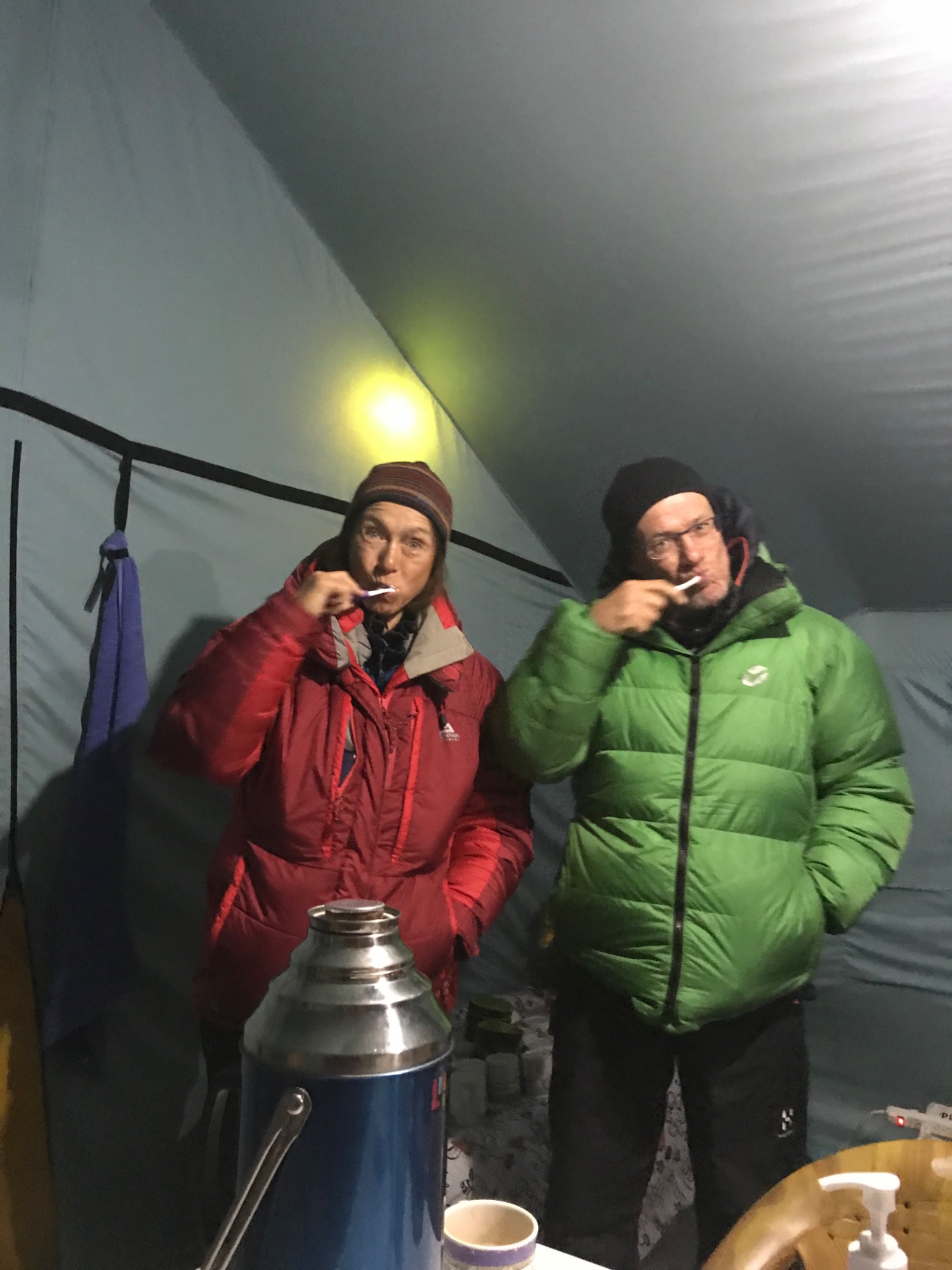
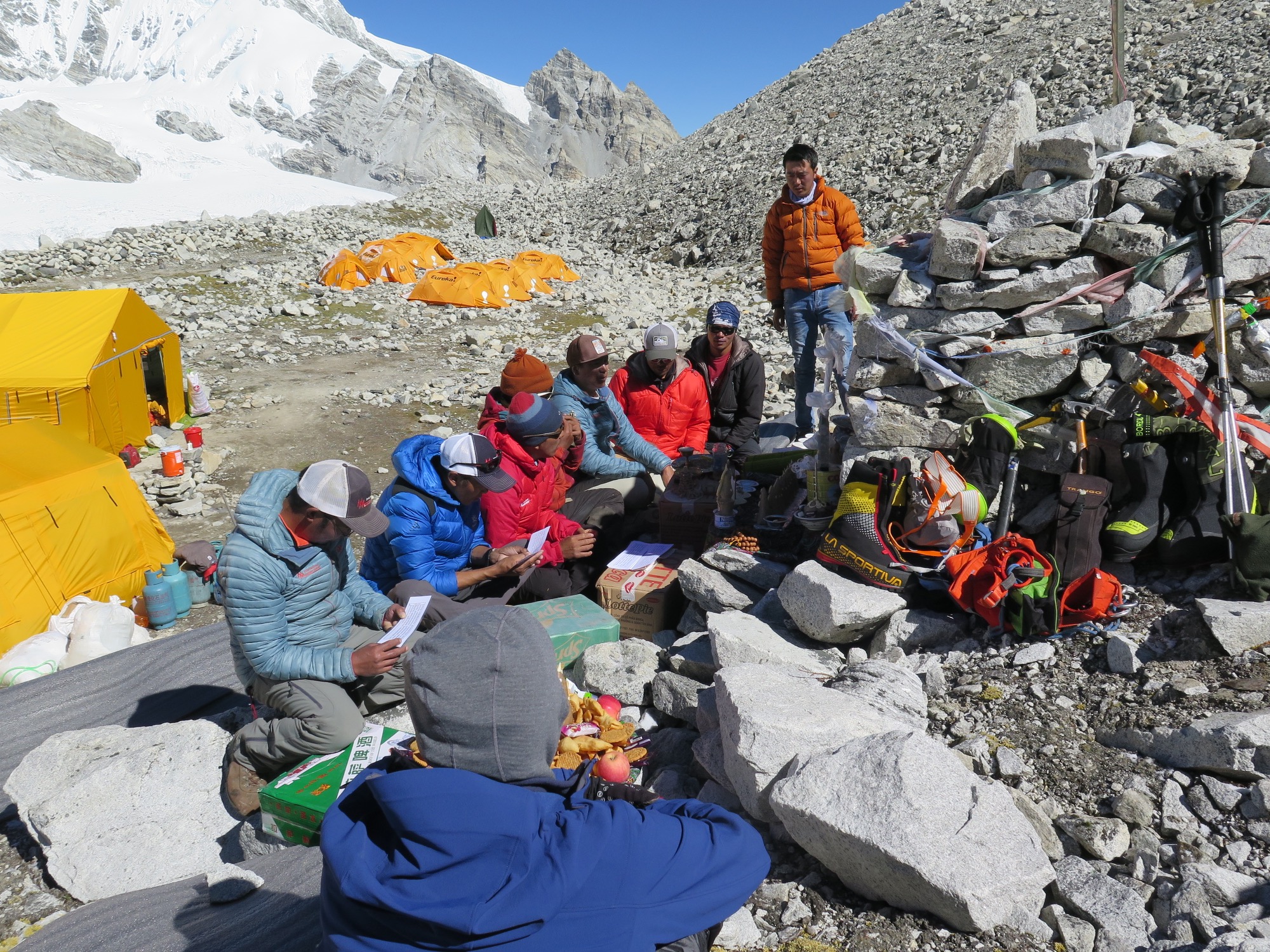
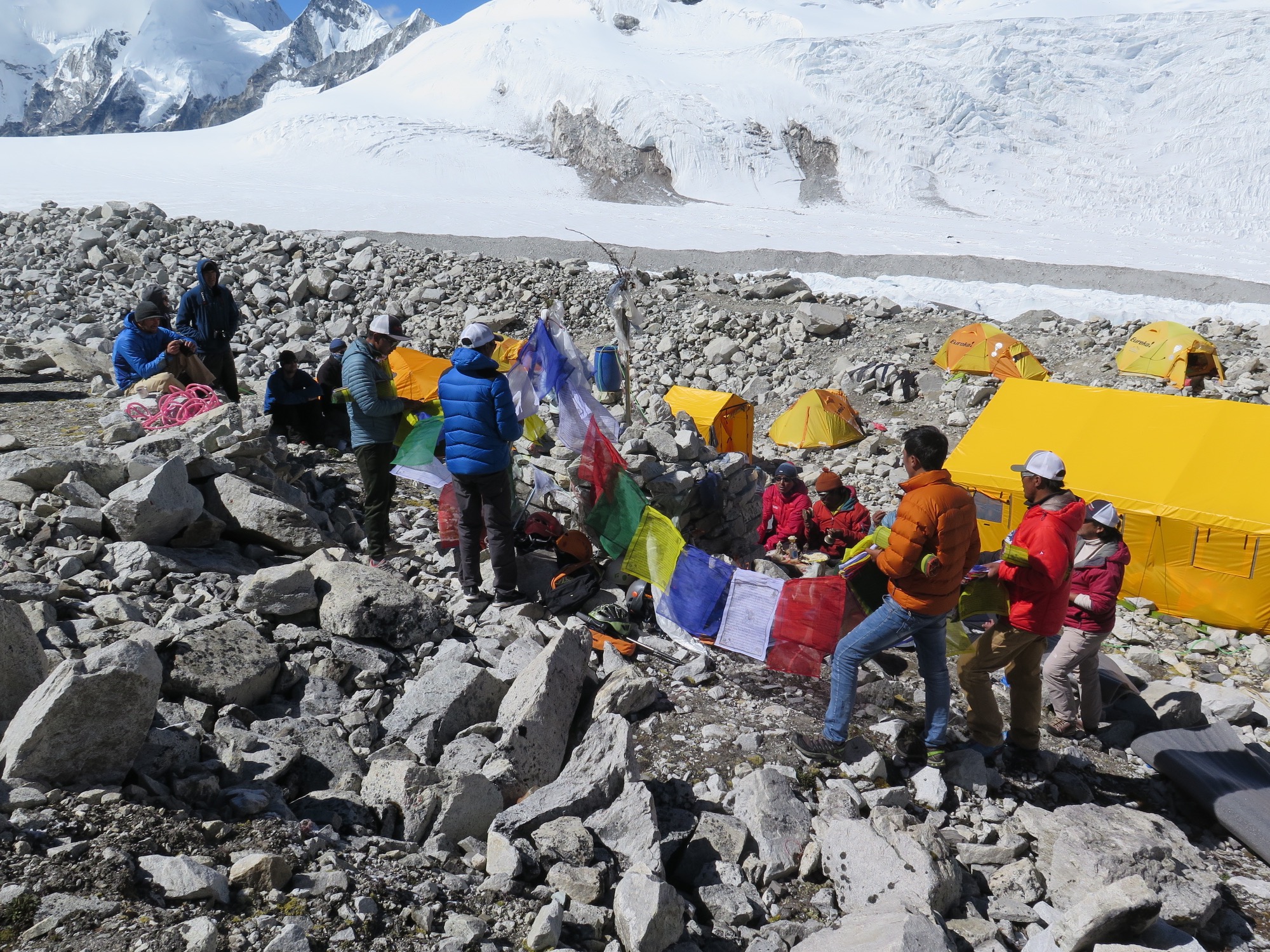
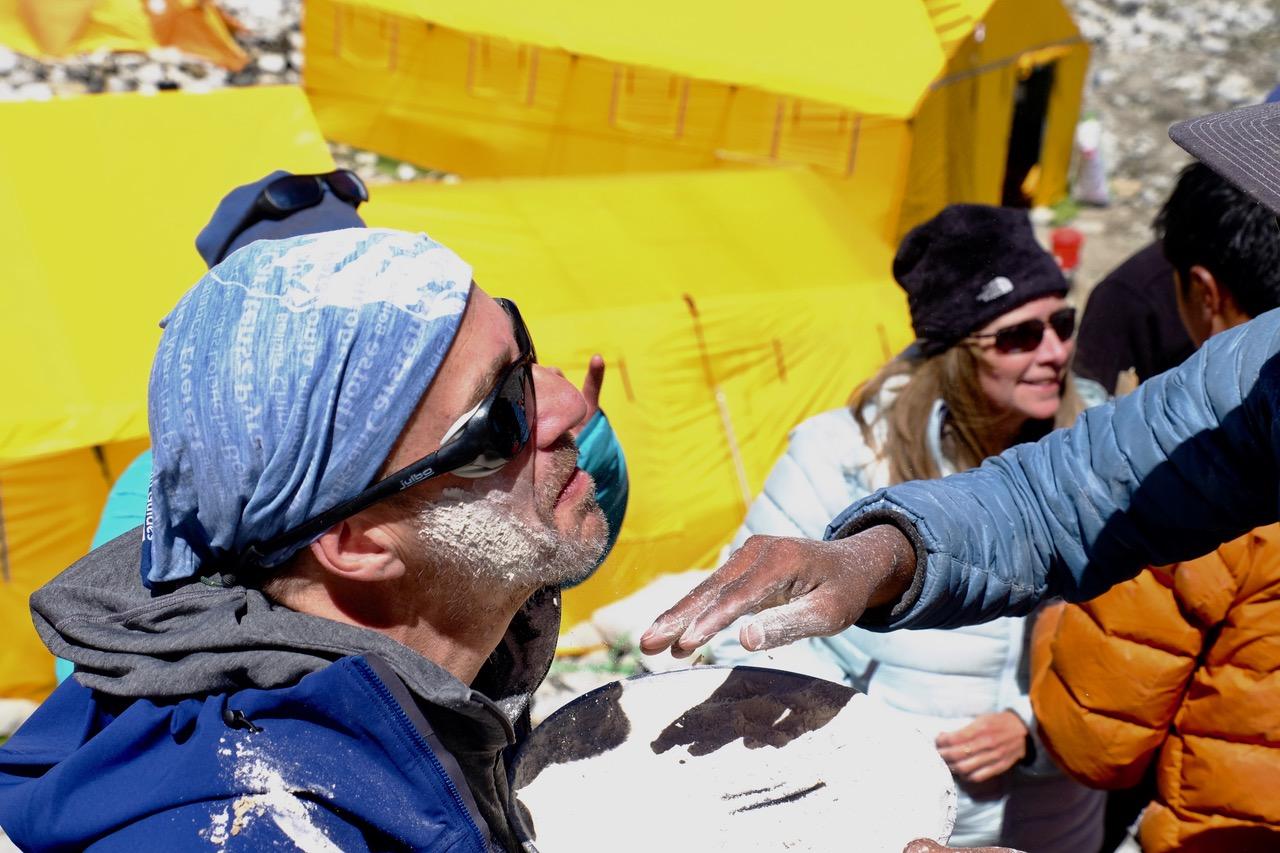
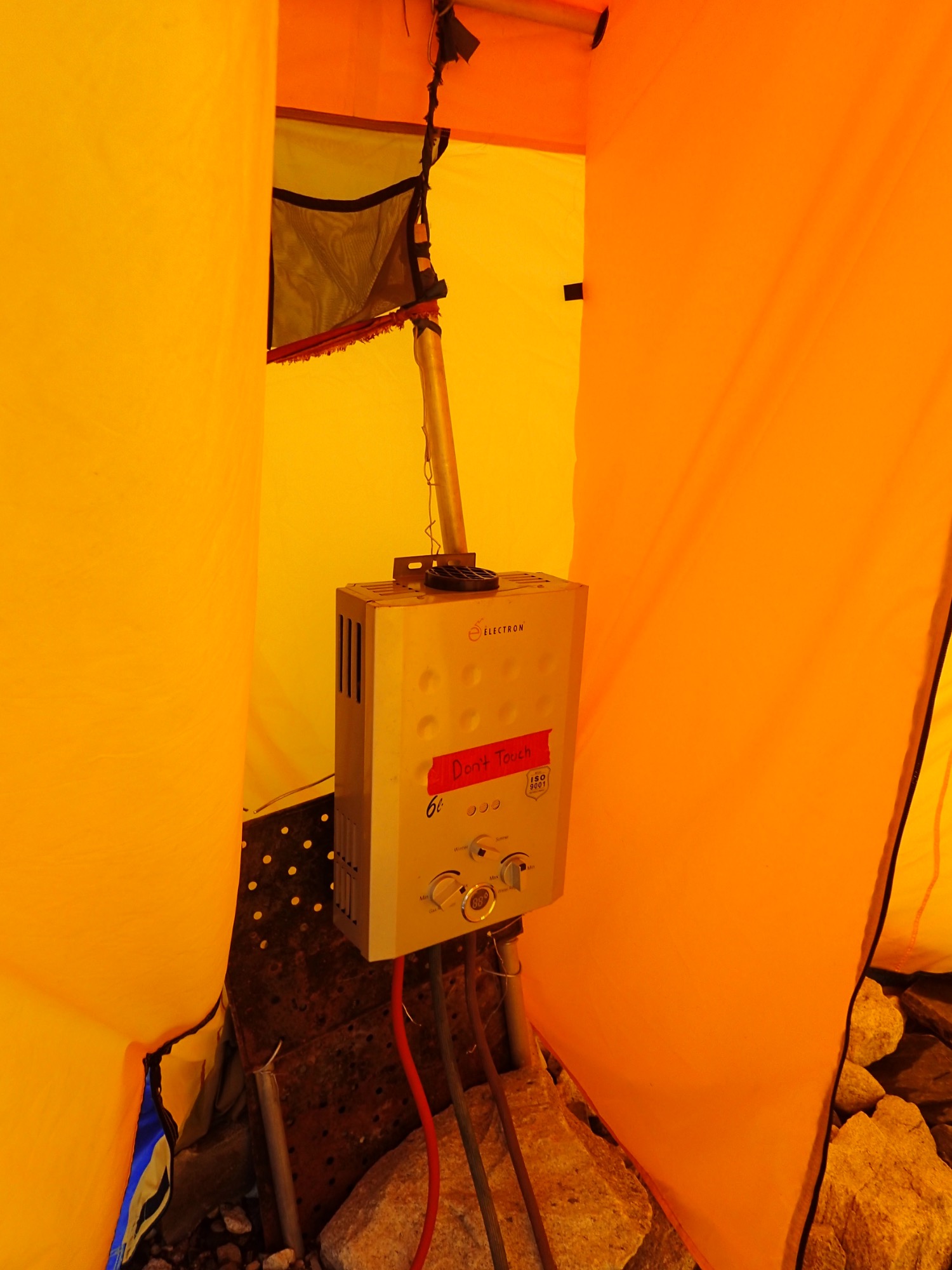
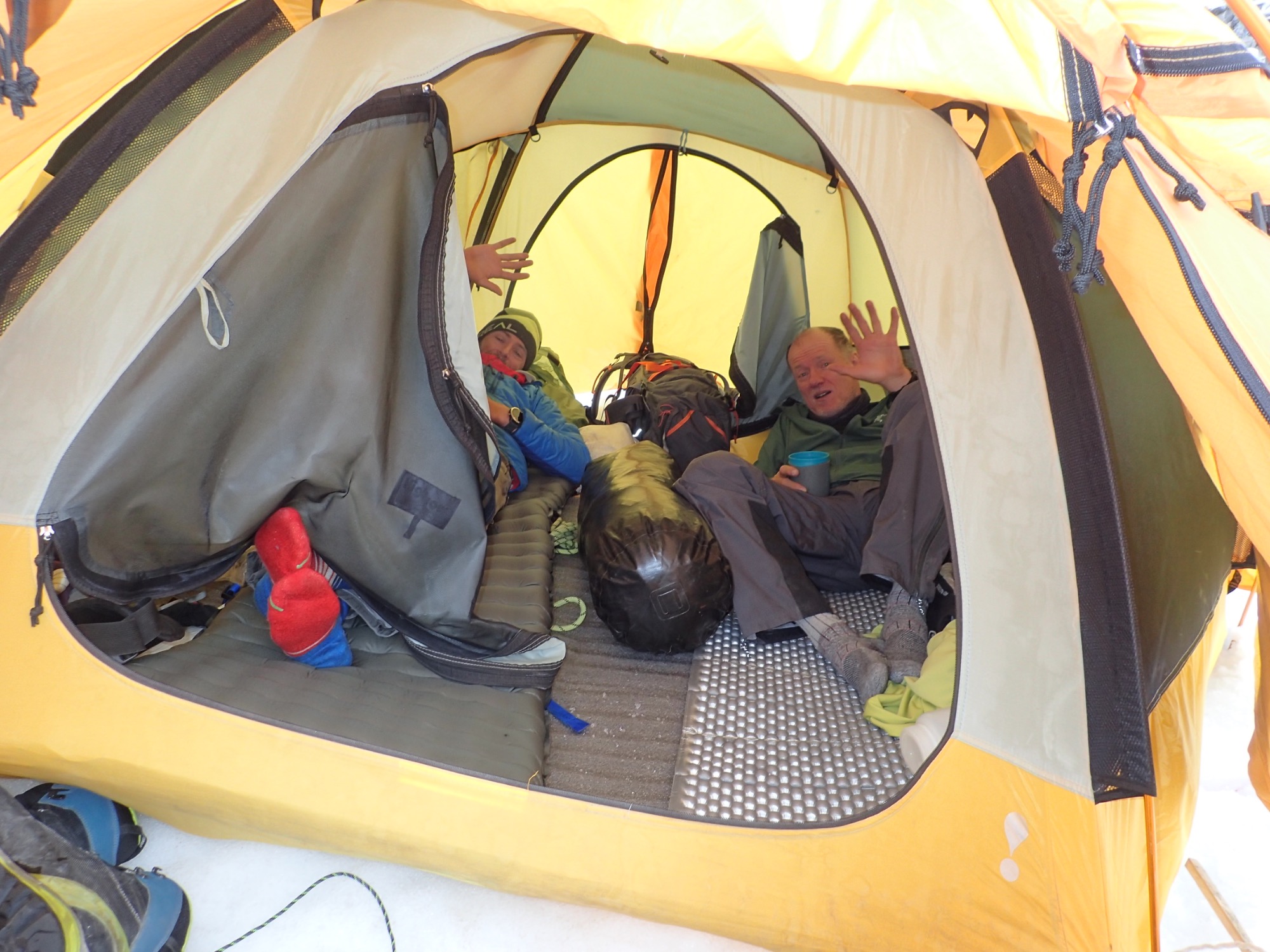
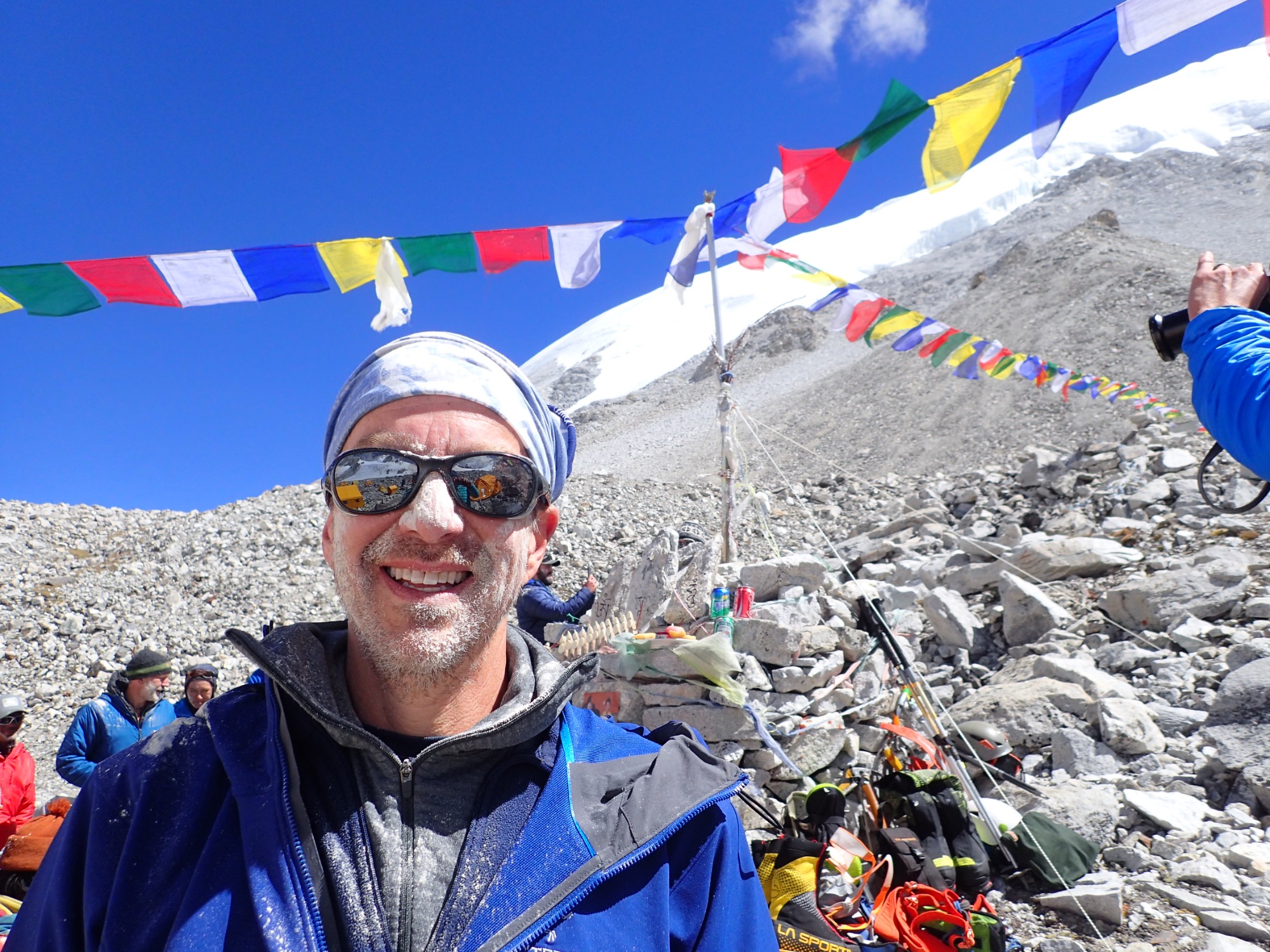
Brushing teeth, Puja ceremony, chilling, shower tent
The Climb
Camp 1 and 2, the route to the summit and the summit
Cho Oyu Videos
Trek to Camp 1
Cho Oyu Puja
Buddist prayer ceremony for good luck